

HE Manufacturing · Knowledge Center
Blog & Industry Insights Formulation, Private Label & Contract Manufacturing Guides
China Top OEM Body Wash and Liquid Hand Soap Suppliers?
Table of Contents
- Define OEM Body Wash and Liquid Hand Soap Supplier Selection Criteria
- Verify ISO 22716 GMP, INCI, SDS, and Product Safety Documentation
- Compare pH, Viscosity, Surfactant Systems, and Preservative Performance
- Evaluate MOQ, 250–500 mL Filling Capacity, Lead Times, and Packaging
- Rank Chinese Suppliers by Testing, Customization, Capacity, and Export Records
- FAQS
- Conclusion
- Related Posts
China has become a major sourcing base for private-label personal care. Its OEM Body Wash and Liquid Hand Soap manufacturers offer formulation development, filling, packaging, and export support. However, low cost alone does not prove supplier quality.
Grand View Research valued the global body wash and shower gel market at approximately USD 34 billion in 2022. It projects steady growth through 2030. Fortune Business Insights also estimated the liquid hand soap market at about USD 7.8 billion in 2023. These figures suggest strong demand, but market reports cannot replace factory verification. A sample may look excellent. The next production batch may still reveal fragrance drift, weak pumps, or unstable viscosity.
Sarah Jindal, a beauty and personal care analyst associated with Mintel, has noted, “Sustainability is becoming a baseline expectation, not a niche preference.” That observation matters for OEM buyers. Buyers now examine refill formats, recyclable bottles, mild surfactants, and transparent ingredient documentation. China’s leading suppliers increasingly support these requirements through ISO-based quality systems, microbiological testing, stability checks, and customized packaging. Yet “eco-friendly” remains an imprecise claim without measurable evidence. Request test reports, material specifications, batch records, and applicable compliance documents before approving an order. This guide compares China’s top OEM Body Wash and Liquid Hand Soap suppliers through product capability, quality control, customization, minimum order quantity, and communication reliability. The strongest partner is not always the largest factory. Sometimes, it is the supplier that answers difficult questions clearly.
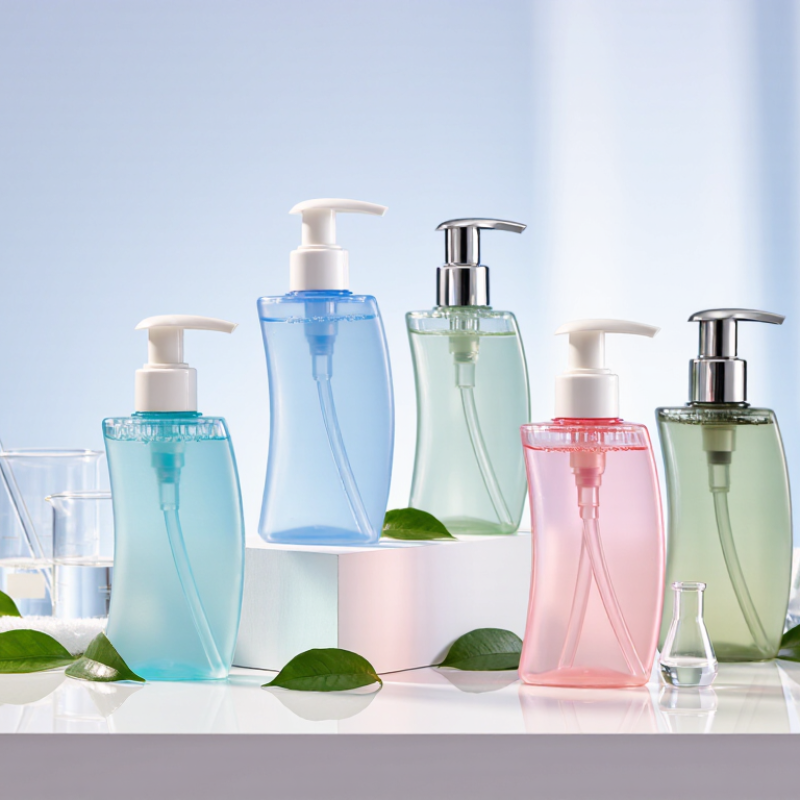
Define OEM Body Wash and Liquid Hand Soap Supplier Selection Criteria
Choosing a China OEM body wash or liquid hand soap supplier requires more than comparing factory prices. Grand View Research estimates the global body wash market will continue growing through 2030, while market reports show rising demand for gentle, functional formulas. These figures indicate opportunity, but they do not prove supplier quality.
Start with manufacturing evidence. Request recent GMP, ISO 22716, and facility audit records. Verify whether the factory owns its filling lines or outsources production. Ask for batch records, microbial test results, stability data, and preservative challenge testing. A reliable supplier should explain ingredient functions clearly, not hide behind vague “natural” claims. Check viscosity after temperature cycling. A bottle that leaks at 45°C is not ready for export.
Product development experience also matters. Review sample consistency across three batches. Test foam, rinsing feel, fragrance retention, pump performance, and skin compatibility. For liquid hand soap, evaluate frequent-use dryness and dispenser clogging. For body wash, assess shower humidity, label adhesion, and cap sealing. The right OEM partner should support compliant ingredient documentation and accurate labeling for the target market.
Cost remains important, but it should include packaging loss, testing, tooling, and lead-time risk. Confirm minimum order quantities, replacement terms, inspection procedures, and payment milestones in writing. Ask for references from comparable projects, without relying only on polished testimonials. No checklist is perfect. I would still keep one unopened control sample from every approved batch. Small details expose large problems.
Verify ISO 22716 GMP, INCI, SDS, and Product Safety Documentation
Choosing China’s top OEM body wash and liquid hand soap suppliers requires more than comparing prices. Documentation shows how seriously a factory controls product safety.
Request an ISO 22716 GMP certificate and check its validity, scope, issuing body, and covered production site. The certificate should match the actual facility making your products. Review batch records, sanitation logs, water testing, and complaint procedures during an audit. Small details matter. A clean filling room is useful, but traceable records matter more.
Ask for a complete INCI ingredient list with ingredient functions and fragrance details. Compare it with the approved formula and product artwork. Request an SDS for each finished product, especially when shipping or workplace handling is involved. The SDS should identify hazards, storage conditions, first-aid measures, and emergency information clearly. Also review microbiological results, stability data, preservative testing, and packaging compatibility records. These documents should be current, signed, and linked to a specific formula or batch.
I once accepted a polished document package too quickly. The batch code did not match the submitted test report. That mistake changed my review process. Now, I verify dates, signatures, sample names, and revision numbers line by line. Suppliers may provide useful templates, but buyers still need independent technical review. A confident sales answer is not safety evidence. Insist on product-specific files before approving production.
Compare pH, Viscosity, Surfactant Systems, and Preservative Performance
Choosing an OEM body wash or liquid hand soap supplier requires more than comparing price and packaging. pH is a practical starting point. For daily body wash, a mildly acidic range may support skin comfort. Hand soap may use a slightly different target, depending on cleansing strength and intended use. Always measure pH after production, not only during laboratory batching. A one-unit shift can change skin feel and preservative behavior.
Viscosity should be checked at a defined temperature and spindle speed. Otherwise, supplier data may look precise but remain difficult to compare. Surfactant systems also deserve close review. Anionic surfactants can create strong foam, while amphoteric and nonionic materials may improve mildness and after-feel. The balance matters. A thick product can still feel harsh. A rich foam can still rinse poorly. Pilot batches, freeze-thaw checks, and hot storage often reveal weaknesses hidden in a sample bottle.
Tips: Ask for complete raw material specifications, batch records, and microbial test results. Confirm preservative performance through a recognized challenge test, not a single microbial count. Review results at planned intervals. No formula is perfect, and supplier data may need independent verification before scale-up. Keep retained samples from each trial. They make later comparisons more reliable.
Evaluate MOQ, 250–500 mL Filling Capacity, Lead Times, and Packaging
When evaluating China-based OEM body wash and liquid hand soap suppliers, start with MOQ details, not attractive unit prices. A low MOQ may apply only to a stock formula and plain bottle. Custom fragrance, color, pump, or printed labels can raise the minimum quickly. Ask for separate MOQs for formula production, filling, cartons, and packaging components. This prevents costly surprises.
For 250–500 mL products, confirm the supplier’s filling range and equipment limits. A suitable line should control fill weight consistently across different viscosities. Request tolerance records from recent production runs. Small differences become obvious when bottles sit together on a retail shelf. Packaging trials should include pump compatibility, leakage checks, drop testing, and label adhesion after handling. It is easy to overlook carton strength.
Lead times should be divided into development, sampling, component sourcing, production, and inspection. A realistic estimate may be four to eight weeks after artwork approval, but imported pumps or custom molds can extend it. Ask what happens if a component arrives late. Some suppliers have backup packaging; others simply wait. My experience is that written timelines are useful, but not always precise. Holidays, formula adjustments, and rejected samples can shift shipment dates. Build a buffer instead of trusting the shortest promise. Also review batch records, stability testing, material specifications, and pre-shipment inspection procedures before approving a purchase order.
China Top OEM Body Wash and Liquid Hand Soap Suppliers? - Evaluate MOQ, 250–500 mL Filling Capacity, Lead Times, and Packaging
| Supplier Profile | Indicative MOQ | Suitable Products | 250–500 mL Filling Capacity | Indicative Lead Time | Common Packaging Options | Key Point to Confirm |
|---|---|---|---|---|---|---|
| Stock-formula OEM with standard packaging | Approximately 3,000–5,000 units per SKU | Body wash and liquid hand soap using an existing formula | Often handled on standard bottle-filling lines; request the line’s validated range and actual hourly output for the selected bottle | About 30–45 days after artwork, formula, and order details are approved | Standard PET or HDPE bottles; flip-top caps, disc-top caps, or pumps | Whether the MOQ applies per product, fragrance, bottle type, or artwork version |
| Custom-formula OEM | Approximately 5,000–10,000 units per SKU; development or testing may add separate costs | Products requiring a tailored fragrance, viscosity, color, or ingredient brief | Confirm compatibility with the formula’s viscosity and the requested 250–500 mL pack size | About 45–75 days; formulation approval and testing can extend the schedule | Standard bottles or custom-selected bottles, with pumps or caps subject to compatibility | Formula ownership, stability and compatibility testing, and the approval schedule |
| Packaging-flexible OEM | Approximately 5,000–10,000 units per SKU; custom components may require higher quantities | Body wash or hand soap with a specific bottle shape, closure, or decoration | Ask for a filling trial using the chosen bottle, closure, and product; shape and opening size can affect line setup | About 45–90 days when packaging must be sourced, decorated, or specially produced | PET, HDPE, or other compatible bottles; labels, sleeves, pumps, and custom-colored components | Packaging tooling or component MOQ, sample approval, and responsibility for excess components |
| Bulk or refill-focused OEM | Typically quoted by total order volume; unit MOQ depends on pack format and filling setup | Liquid hand soap and body wash in refill pouches or larger-volume containers | 250–500 mL bottles may be available, but confirm whether the facility has a dedicated bottle line as well as pouch equipment | About 30–60 days for established products and available packaging | Refill pouches, bottles, or larger containers, depending on equipment and material compatibility | Filling format, seal or leak testing, and packaging material specifications |
| Export-oriented OEM with project coordination | Commonly around 5,000–10,000 units per SKU, subject to packaging and destination requirements | Private-label body wash and liquid hand soap for export orders | Request rated and demonstrated output for the exact 250 mL or 500 mL bottle; nominal line speed is not the same as packed output | About 45–75 days after final approvals; shipping time is additional | Standard or custom bottles, pumps or caps, labels, cartons, and export packing | Required documents, labeling review, carton specifications, inspection, and shipment booking |
Note: Figures are indicative planning ranges, not verified quotations or commitments from specific suppliers. Actual MOQ, line output, and lead time vary by formula, packaging, order size, season, testing, and approval speed. Request a written quotation, production schedule, and sample-line data before placing an order.
Rank Chinese Suppliers by Testing, Customization, Capacity, and Export Records
China’s leading OEM body wash and liquid hand soap suppliers should be ranked by evidence, not showroom size. Grand View Research reports continued global growth in both personal care and hand soap categories, increasing pressure on factories to prove consistency. Testing deserves the highest weight. Look for microbiological testing, stability studies, preservative checks, heavy-metal screening, and batch traceability. ISO 22716-based processes are useful, but certification alone is not proof. Review recent test reports.
Customization comes next. Strong suppliers can adjust fragrance, viscosity, color, surfactant systems, packaging, and minimum order quantities. They should provide pilot samples and measured specifications. A practical score can include formula development speed and artwork control. Keep expectations realistic. Too many options can weaken quality control. That detail is often ignored.
Capacity must be verified through equipment lists, shift records, filling speeds, and warehouse observations. Export records can be checked through UN Comtrade, ITC Trade Map, or customs documentation. These sources help confirm product categories and destination consistency, though they may not show private-label details. Suppliers with repeat shipments across regulated markets deserve more confidence. However, export volume can be misleading. Large numbers may reflect low-value orders or trading activity. A balanced ranking could assign 35% to testing, 25% to customization, 20% to production capacity, and 20% to export records. On-site audits still matter. Paperwork can look perfect.
China Body Wash & Liquid Hand Soap OEM Supplier Evaluation
Suggested evaluation weights for comparing suppliers—this is a buyer-side framework, not a ranking of named companies.
Testing and compliance evidence, customization capability, production capacity, and export experience are practical due-diligence areas for personal-care OEM sourcing. The percentages show suggested relative importance and total 100%; verify each supplier’s documentation, facility capabilities, and shipment references directly.
FAQS
Request ISO 22716 GMP certification, INCI lists, SDS files, test reports, and batch records. These documents should match the actual factory, formula, and production batch. Paperwork alone is not enough.
Check its validity, scope, issuing body, and covered production site. Confirm that the listed facility makes your products. Compare the certificate with audit findings and factory records.
Review sanitation logs, water testing, batch records, complaint handling, and filling-room conditions. Check whether records are complete and traceable. A clean room helps, but missing records remain a serious concern.
It should identify every ingredient, its function, and relevant fragrance details. Compare it with the approved formula and product artwork. Check revision numbers carefully.
An SDS explains hazards, storage conditions, first-aid measures, and emergency information. Request one for every finished product. It matters during shipping and workplace handling.
Review microbiological results, stability studies, preservative testing, and packaging compatibility data. Heavy-metal screening and batch traceability are also useful. Reports should be current, signed, and formula-specific.
Testing deserves the highest weight, followed by customization, capacity, and export records. A practical model assigns 35% to testing, 25% to customization, 20% to capacity, and 20% to exports. The percentages are not perfect.
Inspect equipment lists, shift records, filling speeds, and warehouse conditions. Ask for pilot samples and measured production specifications. Large machinery does not always mean reliable output.
Export records can show product categories and destination consistency. They may not reveal private-label details or actual factory involvement. High volume can mislead.
Never approve production before matching dates, signatures, sample names, revisions, and batch codes. One incorrect code can invalidate a test report. I still miss details sometimes. That is why independent review matters.
Conclusion
Selecting reliable OEM Body Wash and Liquid Hand Soap suppliers in China requires more than comparing prices. Buyers should first establish clear criteria, including ISO 22716 GMP compliance, complete INCI ingredient declarations, SDS files, stability data, microbial testing, and other product safety documentation. Technical evaluation should also cover pH suitability, viscosity consistency, surfactant mildness, cleansing performance, fragrance compatibility, and preservative effectiveness under appropriate storage conditions.
A practical supplier comparison should examine minimum order quantities, the ability to fill 250–500 mL containers, production lead times, packaging options, quality-control procedures, and export experience. Suppliers can then be ranked according to testing capabilities, formulation customization, manufacturing capacity, documentation quality, and delivery reliability. Sampling and third-party verification are recommended before placing a large order, helping confirm that the finished products meet agreed specifications, packaging requirements, and applicable market regulations.

Blog Tags: