

Enterprise B2B Sourcing & Manufacturing Guide

White Label Skincare Formulation: How Global Beauty Brands & Retailers Scale Turnkey Skincare Formulations at Scale

An authoritative operational roadmap for global procurement directors, beauty brand founders, and luxury resort operators. Learn how to leverage market-ready, dermatologically validated, and regulatory-backed cosmetic bases—manufactured in ISO 22716, GMP, Halal, and US MoCRA registered facilities.

ISO 22716 GMP Certified US MoCRA Facility Registered JAKIM Halal Certified RSPO Sustainable Sourcing Zero-R&D Delay Turnkey Execution
Get Catalog

Audited Quality Systems & International Compliance — Trusted Across 20+ Global Export Markets

Manufacturing excellence award
Industry certification award
Quality manufacturing award
Hospitality supply award
Export excellence award
Sustainable manufacturing award
Personal care innovation award
Manufacturing excellence award
Industry certification award
Quality manufacturing award
Hospitality supply award
Export excellence award
Sustainable manufacturing award
Personal care innovation award

Strategic Sourcing Analysis

The Strategic Blueprint of White Label Skincare Formulation: Speed, Stability, and Regulatory Compliance

In the hyper-competitive global cosmetic industry, beauty conglomerates, direct-to-consumer (DTC) brands, and commercial purchasing agents are increasingly shifting away from multi-year bespoke custom R&D cycles toward pre-formulated, clinically validated white label skincare formulations. White label skincare manufacturing represents a strategic middle ground that eliminates the steep financial capital outlay, protracted formulation stability testing, and regulatory uncertainty inherent in creating custom cosmetic recipes from scratch.

A true high-performance white label skincare formulation is not merely a standardized bulk base; it is an optimized, bio-compatible emulsion or liquid system developed by experienced cosmetic chemists. These formulations undergo exhaustive 5-condition accelerated temperature stability testing, freeze-thaw cycle evaluations, microbiological challenge testing (USP <51> / ISO 11930), and packaging compatibility trials before being added to a contract manufacturer’s white label library. For global buyers, selecting an established white label skincare formulation compresses product development timelines from 12–18 months down to as little as 4 to 6 weeks, enabling brands to capitalize on emerging dermatological trends with absolute speed and compliance assurance.

However, navigating global procurement requires a clear understanding of manufacturing definitions. While OEM (Original Equipment Manufacturing) requires contract production against a brand’s proprietary formula, and ODM (Original Design Manufacturing) involves custom formula R&D based on a detailed brief, White Label Skincare Formulation offers ready-to-market, field-tested products engineered for turnkey private labeling. At HE Manufacturing, our Italian-led cosmetic heritage combined with our state-of-the-art Malaysian production infrastructure allows global buyers to seamlessly integrate premium, market-proven white label skincare formulations into their luxury retail, professional clinical, or hospitality product lines.
B2B Sourcing Comparison Matrix: White Label vs. Custom OEM vs. ODM

Evaluation Metric White Label Skincare Formulation Custom OEM Manufacturing ODM Formulation Development
Time to Market 4 to 6 Weeks (Rapid Deployment) 6 to 12 Months (Standard Batching) 9 to 18 Months (Full R&D Lifecycle)
R&D Capital Investment Zero R&D Fee (Included Base) Moderate (Formula Transfer Fees) High (Bench R&D, Testing & Iteration)
Formulation Stability Risk Zero Risk (Pre-Validated Stability) Buyer Assumes Formula Risk Mitigated via Development Phases
Regulatory Dossier Speed Immediate (COA, SDS, CPSR Ready) Requires Complete Dossier Audit Requires Dossier Creation & Testing
Minimum Order Quantity (MOQ) Low / Flexible (1,000 - 3,000 units) Moderate (5,000 - 10,000 units) High Batch Volume (10,000+ units)

Turnkey Skincare Portfolio

Proven High-Performance White Label Skincare Formulations

Our ready-to-brand white label skincare formulations combine active clinical ingredients with clean, non-irritating botanical bases. Engineered under ISO 22716 cosmetics GMP and Halal standards, these formulations are optimized for global retail and clinical distribution.

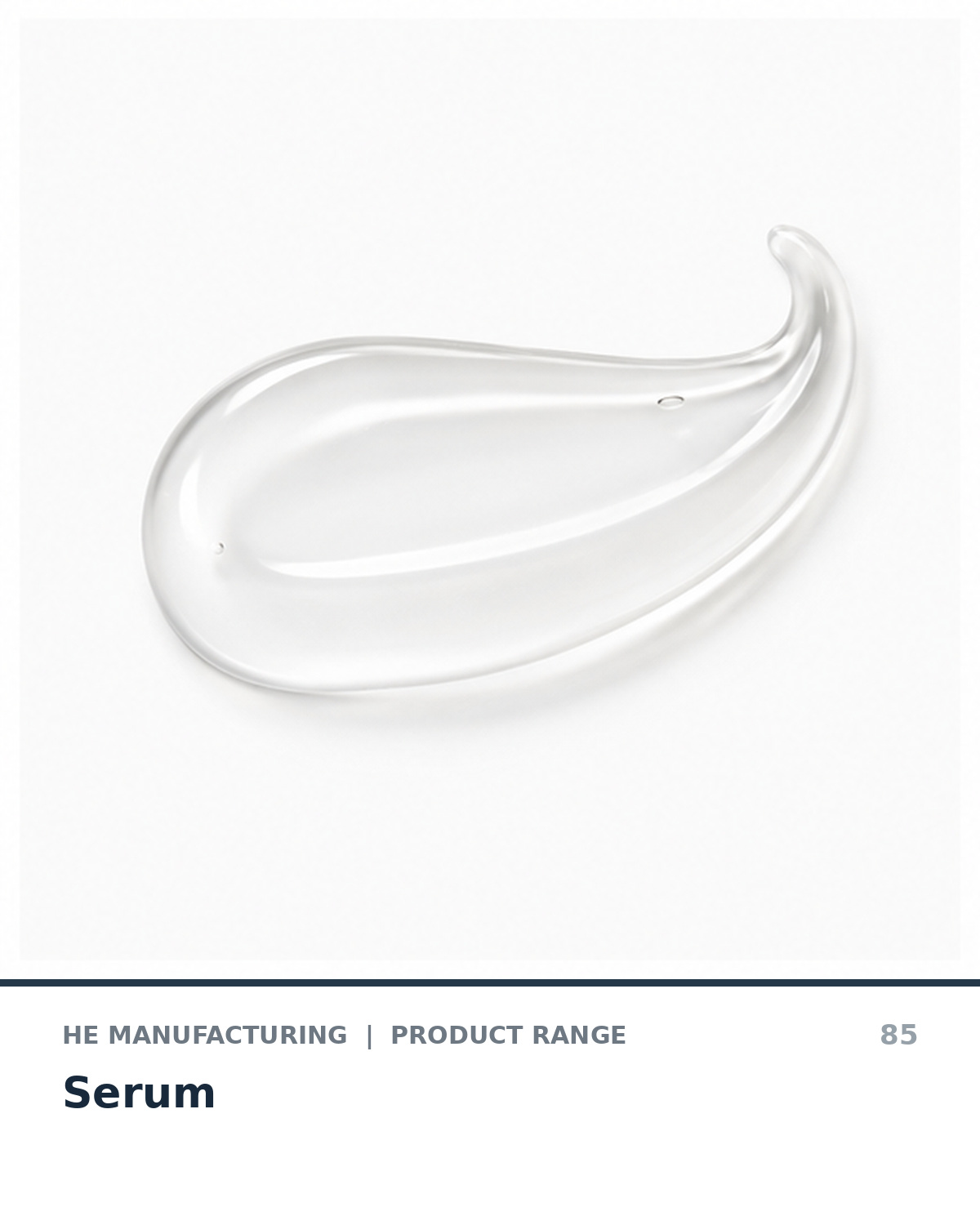
High-actives anti-aging serum white label skincare formulation

1. High-Actives Multi-Peptide Anti-Aging Serum

A potent, lightweight water-gel serum featuring 5% Niacinamide, 2% Multi-Molecular Weight Sodium Hyaluronate, and Acetyl Hexapeptide-8. Engineered to penetrate epidermal layers, boost micro-hydration, and minimize fine lines. Dermatologically tested for sensitive skin compatibility.

Key Ingredients: Niacinamide, Hyaluronic Acid, Acetyl Hexapeptide-8, Centella Asiatica

Get Catalog
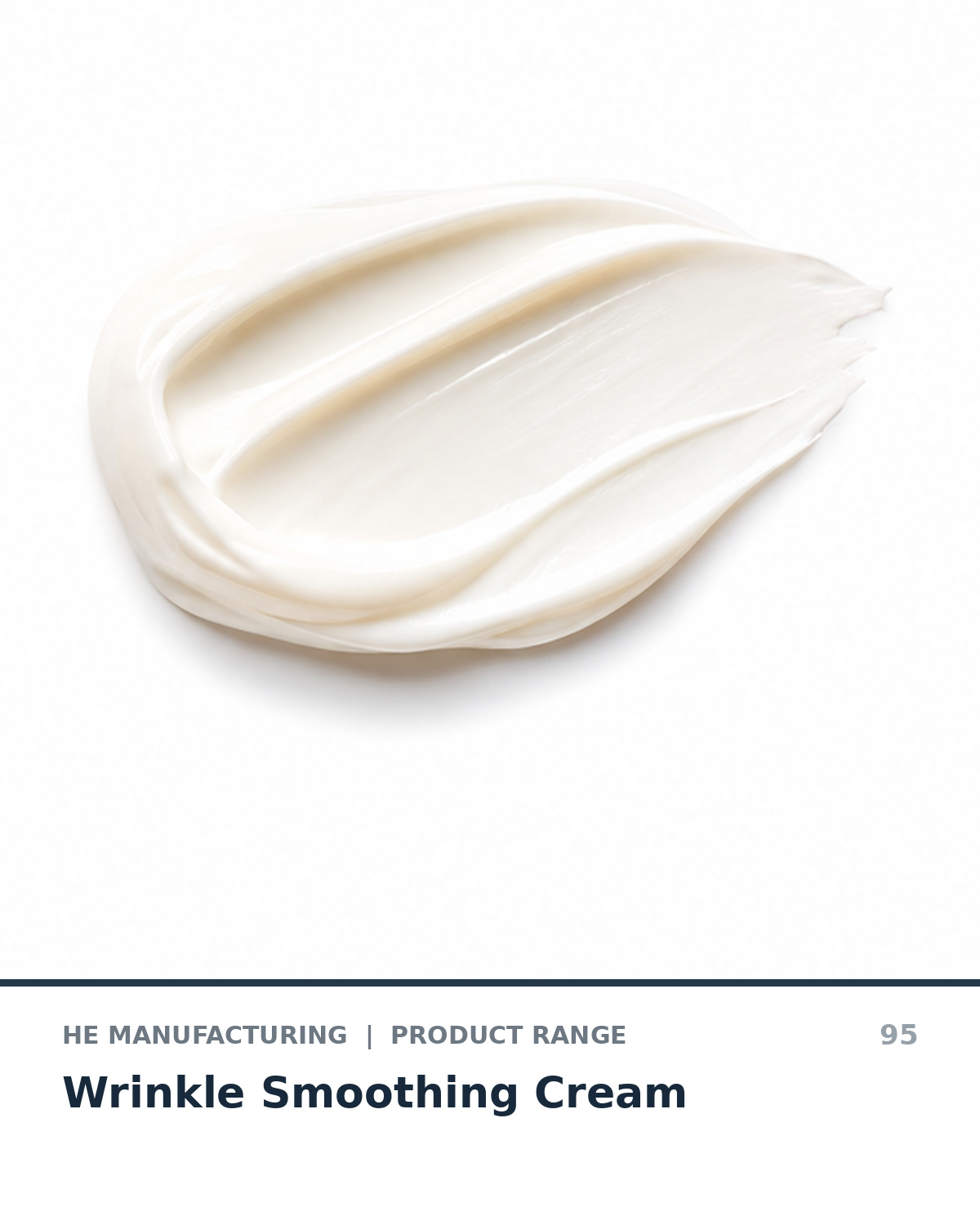
Ceramide barrier repair cream white label skincare formulation

2. Ceramide & Squalane Lipid Barrier Repair Cream

A rich, fast-absorbing lamellar emulsion infused with Biomimetic Ceramides (NP, AP, EOP), Plant-Derived Squalane, and Phytosphingosine. Restores compromised skin barriers, seals transepidermal water loss (TEWL), and provides 48-hour continuous lipid replenishing action.

Key Ingredients: Ceramide Complex 3%, Sugarcane Squalane, Cholesterol, Fermented Shea Butter

Get Catalog
Gentle amino acid facial cleansing gel white label formulation

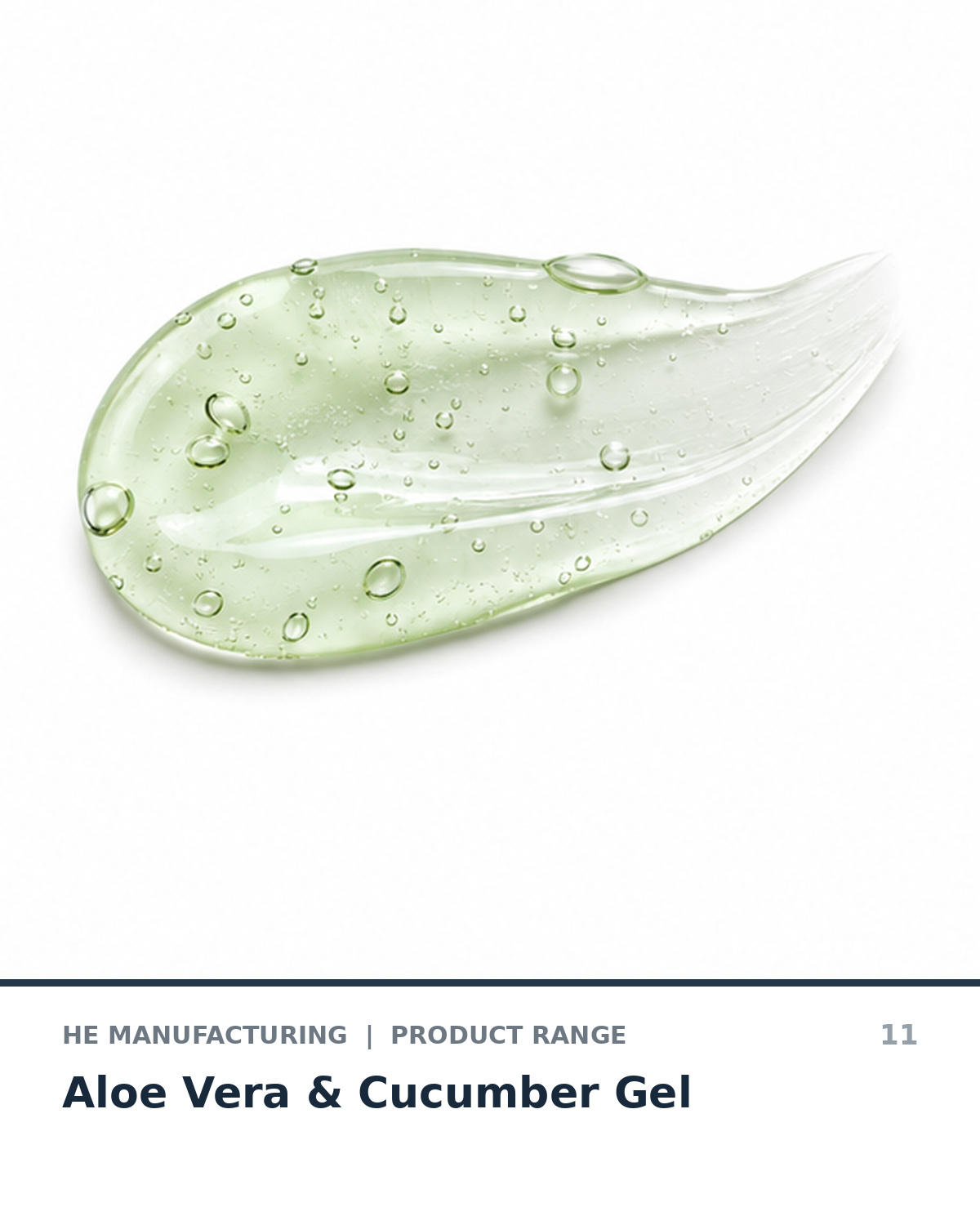
3. Hydro-Soothing Aloe & Centella Gel Cleanser

A pH 5.5 sulfate-free facial gel cleanser formulated with gentle Apple Amino Acid surfactants, Organic Aloe Vera leaf juice, and Cucumber extract. Dissolves impurities, excess sebum, and light makeup without stripping the skin's protective acid mantle.

Key Ingredients: Sodium Cocoyl Apple Amino Acids, Aloe Barbadensis, Cucumis Sativus Extract

Get Catalog
Probiotic body milk moisturizer white label skincare formulation

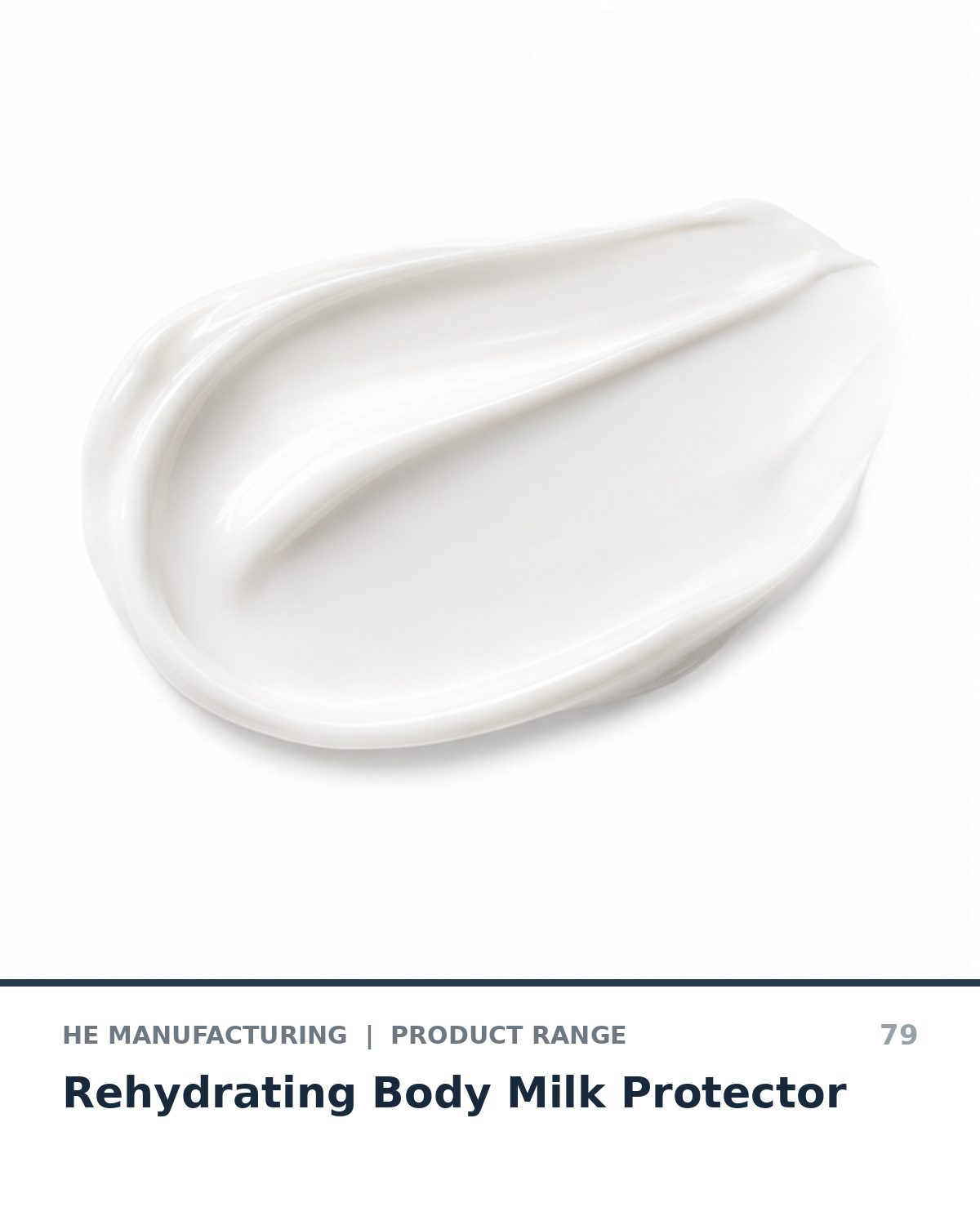
4. Microbiome-Balancing Hydra-Milk Body Protector

A luxurious, fluid body lotion featuring Lactobacillus Ferment Lysates, Prebiotic Inulin, and Cold-Pressed Golden Jojoba Oil. Strengthens natural cutaneous microflora while delivering deep moisture. Ideal for high-end hotel amenity ranges and premium retail body care lines.

Key Ingredients: Lactobacillus Ferment, Prebiotic Inulin, Simmondsia Chinensis Seed Oil

Get Catalog
Bio-cellulose facial mask white label skincare formulation

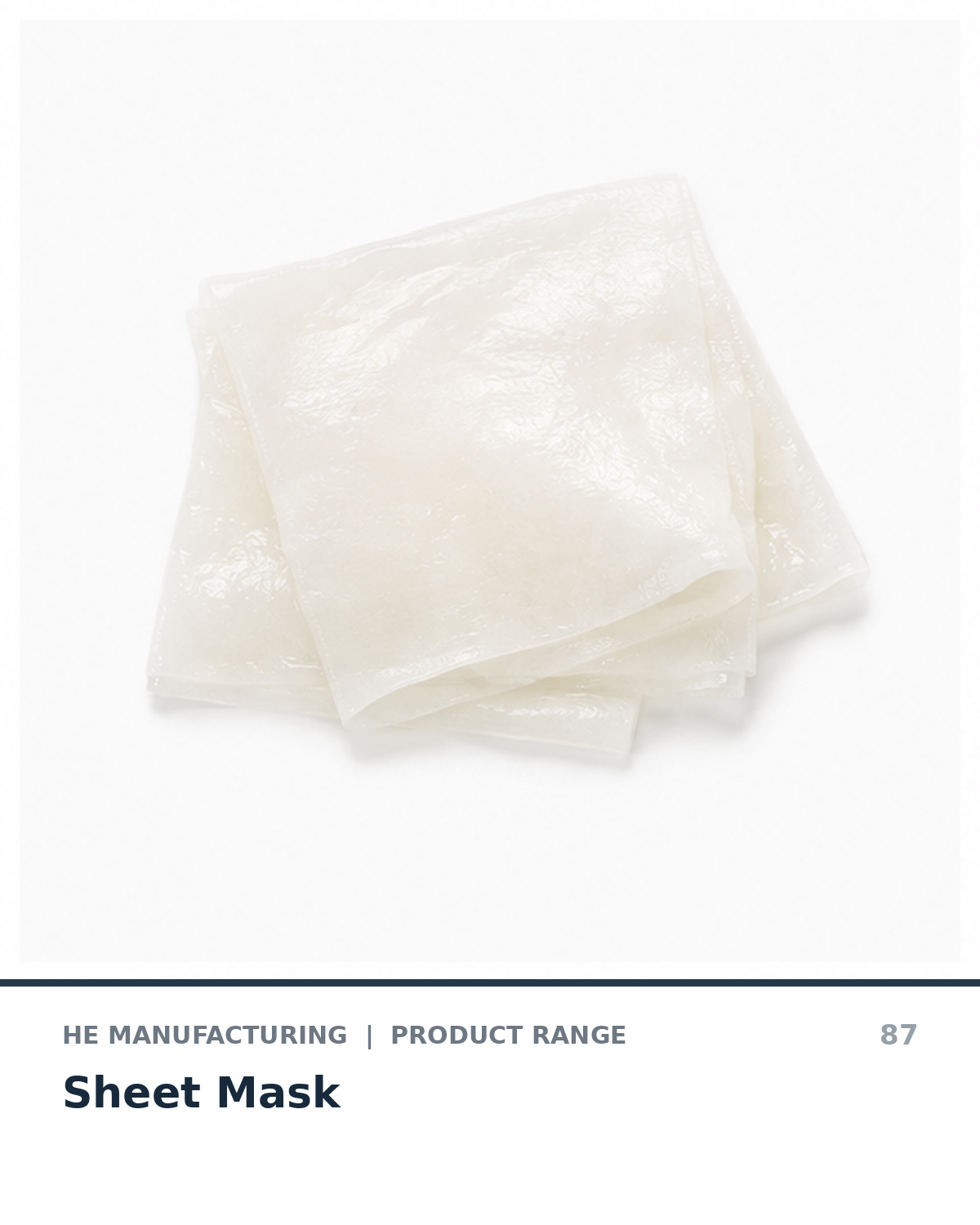
5. Intensive Recovery Bio-Cellulose Mask Essence

A ultra-hydrating treatment essence system for sheet masks and ampoule pads. Concentrated with D-Panthenol (Vitamin B5), Allantoin, and Polyglutamic Acid. Provides immediate soothing relief post-dermatological procedures or environmental stressors.

Key Ingredients: D-Panthenol 3%, Polyglutamic Acid, Dipotassium Glycyrrhizate

Get Catalog
Botanical facial oil glow elixir white label skincare formulation

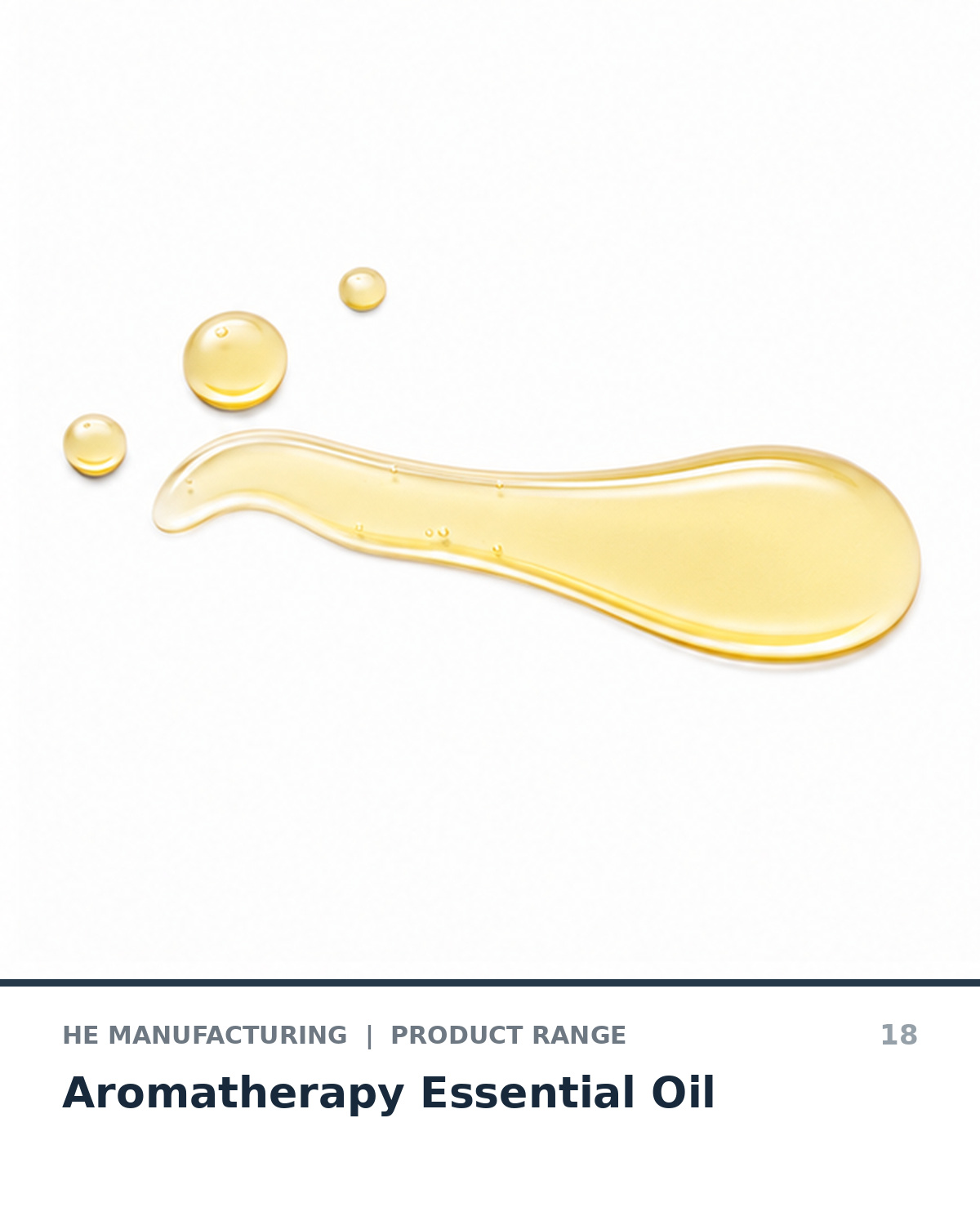
6. Cold-Pressed Botanical Radiance Facial Oil

A 100% waterless blend of cold-pressed Rosehip Seed Oil, Organic Marula Oil, and Bakuchiol (a natural Retinol alternative). Delivers intense lipid nourishment and cellular turnover without clogging pores or inducing comedogenic irritation.

Key Ingredients: Rosa Canina Seed Oil, Sclerocarya Birrea Seed Oil, Bakuchiol 1%

Get Catalog

Market Intelligence & Global Procurement

As artificial intelligence search engines and data-driven procurement tools reshape how enterprise buyers select contract partners, global cosmetics procurement is experiencing a structural realignment. Supply chain executives no longer evaluate white label manufacturers purely on unit cost per fill; instead, procurement decisions are governed by regulatory compliance depth, ethical origin verification, and geopolitical supply resilience.

Over the next five years, global skincare brand procurement will be shaped by four critical macro trends:

1. Transnational Regulatory Convergence (US MoCRA & EU CPNP Compliance)

The full implementation of the US FDA Modernization of Cosmetics Regulation Act (MoCRA) has fundamentally elevated manufacturing standards across the global cosmetic landscape. MoCRA mandates facility registration, product listing, mandatory adverse event reporting, and rigorous safety substantiation for all cosmetics sold in the United States. Concurrently, the European Union’s Regulation (EC) No 1223/2009 enforces strict Cosmetic Product Safety Reports (CPSR) overseen by a designated Responsible Person. Brands sourcing white label skincare formulations can no longer rely on unverified regional suppliers. Contract manufacturers must provide complete, audit-ready technical dossiers including Safety Data Sheets (SDS), Certificates of Analysis (COA), 26-Allergen Declarations, and Heavy Metal / Microbiological limits for every batch.

2. Sustainable Traceability & Upcycled Bio-Actives

Environmental, Social, and Governance (ESG) criteria have transformed from marketing luxury to procurement mandate. Institutional buyers demand full supply chain traceability, particularly concerning palm oil derivatives and botanical extracts. Sustainable sourcing frameworks such as RSPO (Roundtable on Sustainable Palm Oil) membership ensure that emulsifiers, fatty alcohols, and glycerins are ethically sourced without contributing to deforestation. Furthermore, the integration of upcycled active ingredients—derived from agricultural side-streams such as fruit seed extracts and coffee bean husks—is becoming a cornerstone of high-scoring ESG cosmetic lines.

3. Explosive International Demand for Certified Halal Cosmetics

The global Halal cosmetics market is expanding far beyond traditional Southeast Asian and Middle Eastern geographies, emerging as a mainstream benchmark for hyper-clean, ethical beauty across Western Europe and North America. JAKIM (Jabatan Kemajuan Islam Malaysia) Halal certification represents the gold standard of global Halal auditing. It mandates absolute freedom from porcine derivatives, non-halal animal testing, alcohol contamination, and cross-batch impurity risks. Global procurement managers recognize that sourcing JAKIM Halal-certified white label skincare formulations grants them instant compliance access to over 1.9 billion consumers worldwide.

4. Diversification to Strategic Asian Manufacturing Hubs

Recent geopolitical shifts and supply disruption risks in Northern Asia have accelerated Western buyer migration toward strategic ASEAN manufacturing hubs. Malaysia has positioned itself as the premier beneficiary of this diversification. Combining advanced chemical processing infrastructure, strategic maritime shipping lanes through the Straits of Malacca, favorable international trade tariffs, and English-speaking regulatory compliance teams, Malaysia offers global brands an optimal operational base for white label skincare formulation manufacturing.

R&D & Cosmetic Chemistry Innovation

To maintain competitive advantage, beauty brands must partner with contract manufacturers whose formulation labs actively pioneer next-generation cosmetic science. The future of white label skincare formulation lies at the intersection of biotechnology, cutaneous barrier science, and sustainable packaging engineering.

Microbiome & Postbiotic Science

Formulations are transitioning from harsh antibacterial strip-cleansers to microbial-nourishing ecosystems. Prebiotic inulin, postbiotic ferment filtrates, and bio-fermented active compounds maintain scalp and skin epidermal flora homeostasis.

Waterless & Anhydrous Formulations

Driven by eco-consciousness and freight logistics efficiency, anhydrous skin oil elixirs, powder-to-lather cleansers, and concentrated solid treatments significantly reduce carbon footprint while boosting active efficacy.

Liposomal & Smart Delivery Systems

Encapsulated Retinoids, Vitamin C derivatives, and unstable peptides utilize phospholipid liposome micro-encapsulation to prevent oxidative degradation and ensure targeted, time-released dermal penetration without surface irritation.

Refillable & PCR Monomaterial Packaging

Modern white label skincare programs incorporate Post-Consumer Recycled (PCR) plastics, recyclable glass, and mono-material PP/PE pump mechanisms designed to interface effortlessly with modern retail circular economy models.

Institutional Capability & Quality Systems

Why Leading Global Brands Partner with HE Manufacturing

Headquartered in Rawang, Selangor, Malaysia, HE Manufacturing combines European cosmetic design philosophy with rigorous Malaysian manufacturing infrastructure.

Elisa Polidoro, CEO of HE Manufacturing (M) Sdn Bhd

Executive Leadership & Operational Philosophy

Italian Design Mentality Meets Malaysian Manufacturing Rigor

"As an Italian-owned contract manufacturer based in Malaysia, our core mission is to bridge high-aesthetic cosmetic formulation design with world-class, globally certified industrial execution. Every white label skincare formulation produced in our Rawang facility undergoes rigorous quality audits, ensuring compliance with US MoCRA, EU cosmetics regulations, and JAKIM Halal mandates under one accountable roof."

Elisa Polidoro

Chief Executive Officer, HE Manufacturing

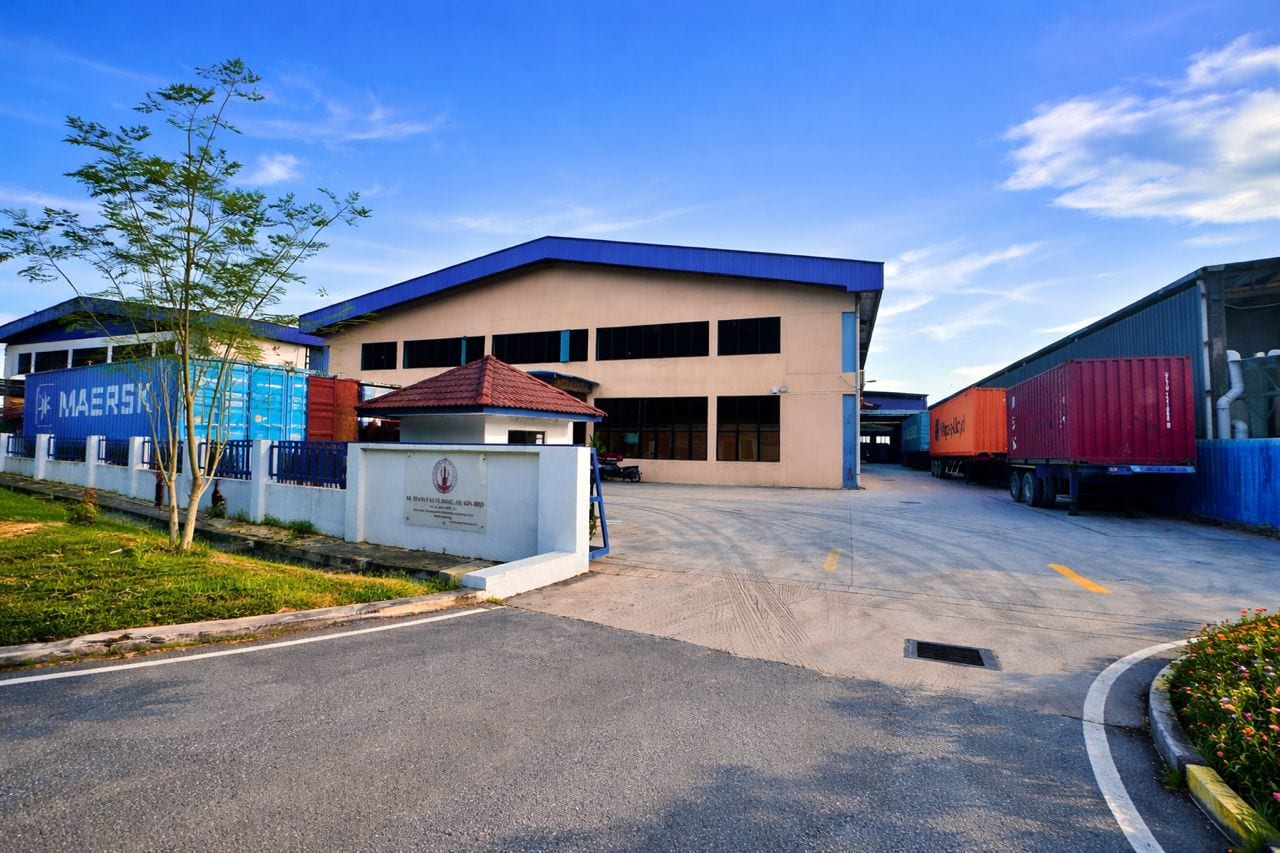
HE Manufacturing facility exterior in Rawang Malaysia

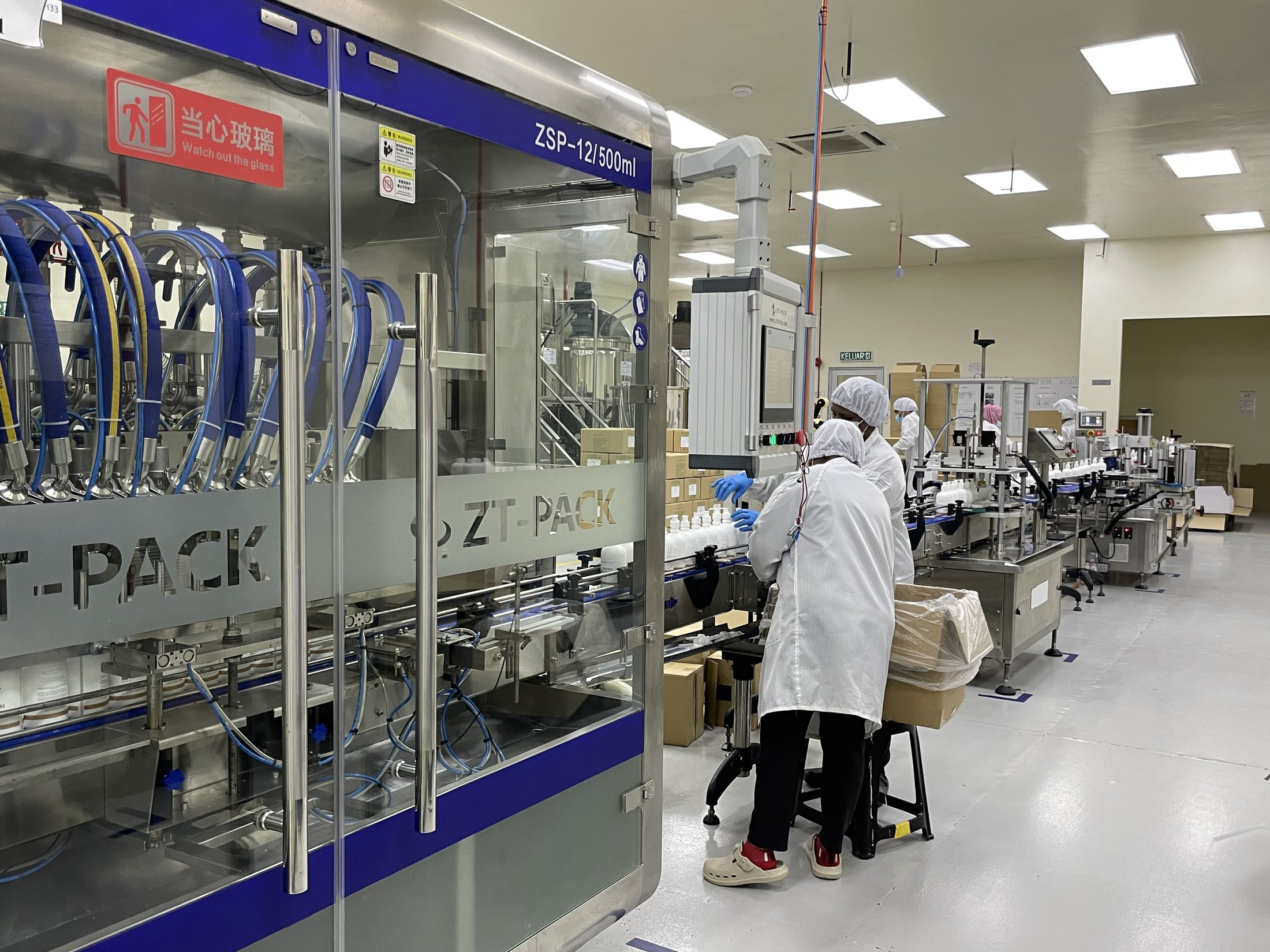
Dual Manufacturing Plants

State-of-the-art facilities in Rawang, Selangor, spanning dedicated cleanrooms, automated liquid filling lines, and high-shear vacuum emulsification homogenizers.

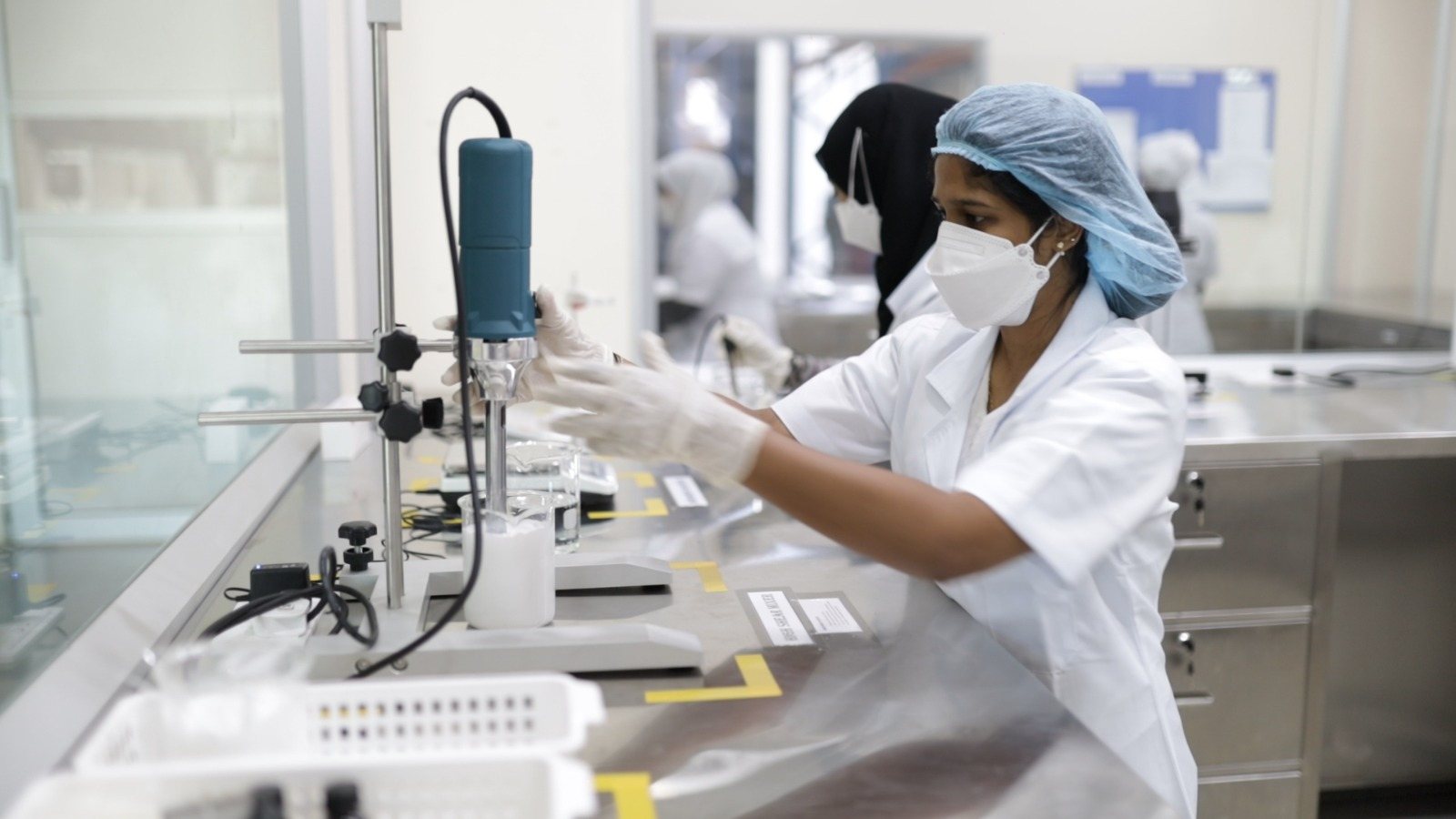
In-house analytical laboratory technician at HE Manufacturing

In-House Analytical R&D

Fully equipped chemical and microbiological testing laboratories conducting viscosity, specific gravity, pH, micro-challenge, and 5-condition stability trials.

Export fulfillment hub and shipping warehouse

Global Export Infrastructure

Supplying over 50 premier hospitality brands and retail chains across 20+ countries with complete export containerization and customs clearance documentation.

ISO 22716 Cosmetics GMP certified manufacturing environment

Multi-Standard Certifications

Fully certified across ISO 9001, ISO 22716 (Cosmetics GMP), JAKIM Halal, RSPO Membership, and registered with the US FDA under MoCRA.

ISO 9001 Quality Management ISO 22716 Cosmetics GMP JAKIM Halal Certified US MoCRA Facility Registered RSPO Supply Chain Member

Frequently Asked Sourcing Questions

White Label Skincare Formulation Procurement FAQ

Clear, authoritative responses to common inquiries raised by beauty procurement teams, product managers, and compliance officers evaluating white label manufacturing partners.

What is the exact distinction between white label skincare formulation and custom OEM development?

White label skincare formulations refer to pre-developed, stability-tested, and dermatologically pre-screened cosmetic bases produced by a contract manufacturer. These formulas are ready for immediate branding, packaging customization, and rapid market entry without requiring initial R&D investment. In contrast, OEM (Original Equipment Manufacturing) involves creating a custom cosmetic formulation strictly according to a client’s proprietary recipe or bespoke formula brief from scratch, which requires multi-month stability, compatibility, and challenge testing.

How does HE Manufacturing ensure regulatory compliance for US MoCRA and EU Cosmetics Regulation (EC 1223/2009)?

Our manufacturing facilities in Rawang, Malaysia, are registered with the US FDA under the Modernization of Cosmetics Regulation Act (MoCRA). For every white label skincare formulation, we supply an extensive technical dossier including Certificates of Analysis (COA), Safety Data Sheets (SDS compliant with GHS/OSHA), 26-Cosmetic Allergen Declarations, Heavy Metal and Microbiological limits reports, and Ingredient Composition Statements. This enables your regulatory team or EU Responsible Person to assemble the required Product Information File (PIF) and complete Cosmetic Product Safety Reports (CPSR) efficiently.

What are the typical Minimum Order Quantities (MOQs) and lead times for white label skincare products?

Our white label skincare program offers lower, highly flexible MOQs compared to custom OEM projects. Standard MOQs start between 1,000 and 3,000 units per SKU depending on your chosen packaging format (e.g., airless pumps, dropper bottles, jars, or eco-tubes). Turnkey production lead times—from finalized artwork sign-off and packaging delivery to batching, filling, and final QA release—typically range from 4 to 6 weeks.

Can white label skincare formulations be modified in fragrance, color, or active ingredient concentration?

Yes. We offer semi-customization options for our established white label skincare formulations. Clients can customize active ingredient concentrations (e.g., adjusting Niacinamide or Hyaluronic Acid percentages), select custom signature botanical fragrances, or incorporate natural colorants. Any semi-custom alteration undergoes micro-stability verification by our in-house chemists to ensure emulsion integrity and active stability.

What stability and microbiological safety testing is performed on white label bases?

All HE Manufacturing white label skincare bases undergo 5-condition accelerated temperature stability testing (4°C, 25°C, 45°C, 50°C, and cyclic light exposure) over 12 weeks to simulate 30-month product shelf-life. Additionally, formulations undergo Preservative Efficacy Testing (PET / Challenge Testing according to ISO 11930 and USP <51>) to guarantee anti-microbial resistance against yeast, mold, and pathogenic bacteria.

Why choose a Malaysian contract manufacturer over domestic or traditional European suppliers?

Malaysia provides a unique international advantage: combining European-standard cosmetic formulation quality with highly competitive industrial labor and operational costs. Malaysian facilities operate under internationally recognized ISO 22716 / GMP standards, provide world-renowned JAKIM Halal certification, offer direct access to RSPO-certified sustainable palm materials, and benefit from excellent maritime export connectivity with low import tariffs across North America, Europe, and the Asia-Pacific region.

Ready to Launch Your Skincare Line?

Request High-Performance White Label Skincare Formulation Samples

Speak with our technical sales team to request our complete white label skincare catalog, schedule sample batching, or discuss your private label regulatory requirements.