

HE Manufacturing · Knowledge Center
Blog & Industry Insights Formulation, Private Label & Contract Manufacturing Guides
Blog

How to Source Waterless Powder to Lather Formulations?
Waterless Powder-To-Lather Formulations can reduce the water carried in a finished product, but sourcing them well takes more than choosing a fine, fragrant powder. A buyer should examine the surfactant system, particle-size distribution, moisture level, bulk density, and supplier’s batch controls. Then test the powder in real use: a damp palm, a measured dose, and the time needed to build a stable lather. Small differences matter.
The United Nations World Water Development Report 2024, published by UNESCO, reports that agriculture accounts for about 70% of global freshwater withdrawals. That figure is not a beauty-industry metric, but it gives water efficiency real context. For commercial decisions, compare supplier specifications with independent performance tests, ingredient documentation, and stability data. Ask how each batch is checked. Ask for evidence, not just claims.
One sourcing detail is easy to overlook: a powder that foams beautifully in a laboratory may clump in humid storage or feel gritty on skin. Test packaging, too. A leaking seal can undo careful formulation work. It is not glamorous, but it matters.
I cannot verify a named specialist’s published quotation on this exact formulation category from the materials provided, so I will not invent one. That gap is worth noting. A credible sourcing guide should distinguish documented industry evidence from expert opinion, then help formulators compare suppliers on repeatable lather, user feel, and reliable quality.
Read more »
 By:Isla
- October 30, 2026

How to Choose OEM Laundry Detergent & Fabric Care in 2026?
Choosing OEM Laundry Detergent & Fabric Care in 2026 requires more than comparing fragrance samples and factory prices. It requires evidence, testing, and a clear understanding of changing consumer expectations. Market estimates vary, but Fortune Business Insights values the global laundry detergent market at approximately USD 72.87 billion in 2023. Its report projects continued growth through 2032. The difference between forecasts matters. It reminds buyers to question assumptions.
Consumer behavior is also becoming more complex. Euromonitor’s home care research highlights premiumization, convenience, sustainability, and concentrated formats as important category forces. NielsenIQ reports that shoppers increasingly examine value, product performance, and environmental claims together. A cheaper formula may fail if it leaves residue on dark clothing. A “green” label may also lose trust without measurable evidence.
Performance comes first.
For OEM buyers, practical evaluation should include cleaning power, fabric softness, scent stability, color protection, dosing accuracy, and packaging durability. Independent laboratory testing can compare formulas across water hardness levels and wash temperatures. Supplier audits should examine raw-material traceability, batch consistency, quality systems, and documented regulatory compliance.
The difficult part is balance. A highly concentrated detergent may reduce packaging volume, yet it can create dosing problems without a precise cap or pump. A strong fragrance may attract first-time buyers, but sensitive users may reject it. Sustainable packaging may improve brand perception, while increasing production complexity.
This guide examines how to select reliable OEM partners, validate product claims, and build fabric-care products that perform in real households. Some decisions will remain imperfect. Transparent testing is better than confident guesswork.
Read more »
By:Isla
- October 25, 2026
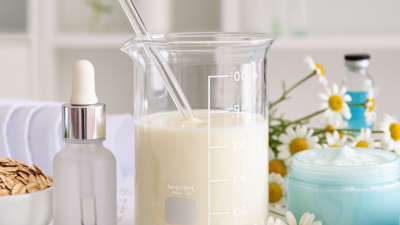
China Best Hypoallergenic Sensitive Skin Formulation?
Choosing China’s best Hypoallergenic Sensitive Skin Formulation requires more than attractive packaging or a gentle-sounding label. Sensitive skin can react to fragrance, harsh surfactants, preservatives, or changing environmental conditions. A trustworthy formulation should begin with clearly documented ingredient selection, suitable skin research, and careful manufacturing controls.
In practice, experienced formulators often examine each ingredient’s purpose, concentration, purity, and potential irritation profile. They may use fragrance-free systems, mild cleansing agents, barrier-supporting lipids, and soothing ingredients such as panthenol or colloidal oatmeal. However, “hypoallergenic” does not mean risk-free for every person. That distinction matters. Patch testing remains essential, even when a product is developed for delicate skin.
Reliable Chinese manufacturers should provide transparent INCI lists, batch records, stability data, microbiological testing, and evidence of quality management. Independent safety assessments and dermatologist oversight can strengthen confidence, especially for export products. ISO-aligned production may also indicate disciplined processes, although certification alone cannot prove superior skin tolerance. Real performance depends on the complete formula and its intended use.
A practical evaluation should include texture, cleansing comfort, packaging hygiene, and storage stability. Think of a cleanser that rinses without tightness, or a cream that remains smooth after opening for several weeks. Small details reveal quality.
There is no universal best formula.
Suppliers should welcome questions, report limitations, and avoid exaggerated promises. Some claims may sound convincing but remain poorly supported. Comparing samples, test results, user feedback, and manufacturing transparency creates a more reliable path toward selecting China’s best Hypoallergenic Sensitive Skin Formulation.
Read more »
 By:Liam
- October 15, 2026
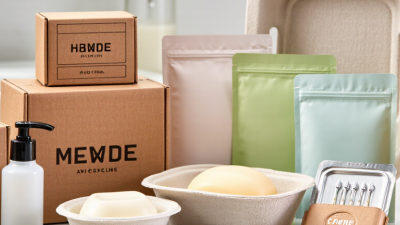
China Top Hotel Dry Amenities Packaging Manufacturers?
Choosing China’s top Hotel Dry Amenities Packaging manufacturers requires more than comparing prices or catalog photographs. Hotels need packaging that protects soaps, shampoos, dental kits, combs, and sewing sets during transport and daily guest use. A reliable supplier should combine material knowledge, clean production areas, stable printing, accurate filling, and responsive quality control. Small details matter. A torn sachet beside a bathroom sink can damage a guest’s impression quickly.
Packaging specialist Robert Lilienfeld offers a useful principle: “Packaging must deliver value before it can be judged by its material.” This idea fits Hotel Dry Amenities Packaging well. The best manufacturers balance protection, appearance, convenience, and waste reduction. They may offer kraft paper boxes, recyclable pouches, molded fiber trays, or compact cardboard sleeves. Yet material claims need careful checking. “Eco-friendly” can sound impressive, but it may hide weak seals, excessive coatings, or difficult recycling conditions.
This guide examines Chinese manufacturers through practical criteria: production experience, customization capability, certification records, minimum order quantities, lead times, and export support. It also considers whether suppliers can maintain consistent dimensions across large hotel programs. A sample may look perfect. Mass production can differ. That risk deserves attention. Buyers should request factory evidence, test samples, packaging specifications, and recent quality reports before making a final decision. No manufacturer is perfect, and even strong suppliers may need improvement in transparency or material traceability. The following overview aims to identify capable partners while encouraging more careful, evidence-based purchasing decisions.
Read more »
 By:Ethan
- October 10, 2026
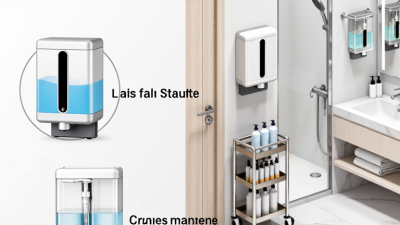
How to Choose Hotel Wet Amenities Dispenser Systems in 2026
Choosing Hotel Wet Amenities Dispenser Systems in 2026 requires more than comparing prices and polished product photographs. Hotel operators must examine guest comfort, refill efficiency, hygiene controls, installation requirements, and long-term maintenance. A dispenser may look elegant beside a marble sink, yet perform poorly when its pump clogs or its label becomes unreadable.
This guide focuses on practical decisions that influence daily hotel operations. It considers wall-mounted and countertop designs, refillable cartridges, transparent reservoirs, locking mechanisms, and measured dosing. These details matter in bathrooms serving dozens of guests each day. Housekeeping teams need quick access, clean surfaces, and clear refill indicators. Guests expect shampoo, conditioner, and body wash to dispense smoothly, without pressing repeatedly.
Small details matter.
Reliable selection also requires evidence. Buyers should review material specifications, cleaning instructions, warranty terms, supplier support, and feedback from comparable properties. Experience from hotel maintenance teams can reveal problems that brochures often omit. For example, a dispenser may fit perfectly in a showroom but obstruct a narrow shower shelf. A cartridge system may reduce waste, but replacement packaging could increase storage demands.
No system is perfect.
The strongest choice balances appearance, usability, sanitation practices, environmental goals, and operating costs. However, sustainability claims deserve careful checking rather than automatic trust. In 2026, responsible buyers should question unverified durability promises and test products in realistic bathroom conditions. A short pilot installation can expose loose brackets, inconsistent dosing, or confusing instructions before guests notice them. This approach supports informed purchasing and builds a more dependable amenity experience.
Read more »
By:Ethan
- October 5, 2026
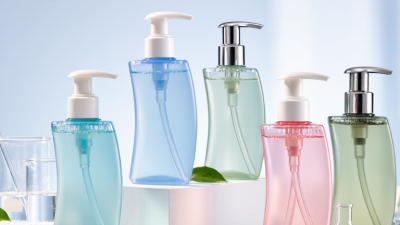
China Top OEM Body Wash and Liquid Hand Soap Suppliers?
China has become a major sourcing base for private-label personal care. Its OEM Body Wash and Liquid Hand Soap manufacturers offer formulation development, filling, packaging, and export support. However, low cost alone does not prove supplier quality.
Grand View Research valued the global body wash and shower gel market at approximately USD 34 billion in 2022. It projects steady growth through 2030. Fortune Business Insights also estimated the liquid hand soap market at about USD 7.8 billion in 2023. These figures suggest strong demand, but market reports cannot replace factory verification. A sample may look excellent. The next production batch may still reveal fragrance drift, weak pumps, or unstable viscosity.
Sarah Jindal, a beauty and personal care analyst associated with Mintel, has noted, “Sustainability is becoming a baseline expectation, not a niche preference.” That observation matters for OEM buyers. Buyers now examine refill formats, recyclable bottles, mild surfactants, and transparent ingredient documentation. China’s leading suppliers increasingly support these requirements through ISO-based quality systems, microbiological testing, stability checks, and customized packaging. Yet “eco-friendly” remains an imprecise claim without measurable evidence. Request test reports, material specifications, batch records, and applicable compliance documents before approving an order. This guide compares China’s top OEM Body Wash and Liquid Hand Soap suppliers through product capability, quality control, customization, minimum order quantity, and communication reliability. The strongest partner is not always the largest factory. Sometimes, it is the supplier that answers difficult questions clearly.
Read more »
By:Ethan
- September 30, 2026

How to Choose a White Label Skincare Formulation Supplier
Choosing a White Label Skincare Formulation supplier is more than selecting a formula from a catalogue. It means deciding who will help turn a product idea into a consistent, well-documented item on the shelf. The opportunity is substantial: McKinsey & Company’s 2023 beauty-market report projected the global market could reach about $580 billion by 2027, with annual growth near 6%. Growth attracts new brands, but it also raises expectations for product quality and clear claims.
Regional figures offer useful context. Cosmetics Europe reported retail sales of €96 billion for Europe’s cosmetics and personal care market in 2023. Those numbers describe a broad category, not a guarantee of success for any skincare launch. Not automatically. A supplier’s polished sample can feel convincing under bright studio lights; the real questions appear later, when batches, packaging, and documentation are examined.
A careful evaluation should cover formulation expertise, ingredient traceability, stability and microbial testing, packaging compatibility, production capacity, and quality procedures. Ask for relevant test summaries and examples of how formula changes are controlled. Confirm that product claims and supporting evidence fit the markets where you plan to sell. Details matter. So does honest communication when a deadline or specification cannot be met. This guide explains how to compare suppliers, assess their evidence, and spot gaps before committing. No checklist can remove every risk, and a beautiful sample is only a beginning.
Read more »
By:Ethan
- September 25, 2026

Top White Label Shampoo Manufacturers for Global Buyers
Choosing among the top White Label Shampoo manufacturers requires more than comparing prices and attractive packaging. Global buyers need evidence that a supplier can deliver consistent quality across borders.
Perry Romanowski, a cosmetic chemist and industry educator, describes cosmetic formulation as “a combination of art and science.” That balance matters in shampoo production. A formula must cleanse effectively, rinse smoothly, and remain stable during transport. It should also suit the intended hair type and market expectations. A sample may look excellent in a showroom. It may perform differently after months in a hot warehouse.
This guide examines manufacturers through practical criteria. These include formulation expertise, ingredient traceability, safety testing, factory certifications, minimum order quantities, and private label flexibility. Buyers should request current product specifications, stability data, microbial testing records, and packaging samples. Clear documentation builds confidence. Vague answers should slow the process.
Manufacturing experience matters too. Suppliers serving salons may understand premium textures and fragrance profiles. Others may specialize in large retail volumes or sensitive-scalp products. Neither approach is automatically better. The right partner depends on your sales channel, target customer, budget, and launch schedule.
Expect trade-offs. Lower minimum orders can mean fewer customization options. Faster production may reduce packaging choices. I have also seen polished presentations hide weak communication after payment. That is a warning sign.
A reliable manufacturer should explain limitations honestly. It should support revisions, confirm batch controls, and communicate delays early. This overview helps global buyers compare suppliers with greater clarity, while recognizing that no factory is perfect for every brand.
Read more »
By:Isla
- September 20, 2026
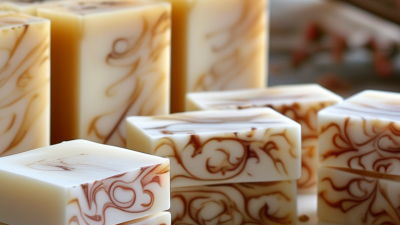
China Best French Triple Milled Bar Soap Manufacturer
Choosing a China Best French Triple Milled Bar Soap Manufacturer requires more than comparing prices. It demands evidence, process knowledge, and careful product evaluation. French Triple-Milled Bar Soap is recognized for its dense texture, smooth finish, and consistent fragrance release. These qualities begin with refined soap noodles, controlled moisture, and repeated milling through calibrated rollers.
A reliable manufacturer should explain each production stage clearly. Ask about plant experience, ingredient sourcing, batch records, and quality inspections. Look for practical details, such as stainless-steel refining equipment, clean curing rooms, and sealed packaging lines. Samples should be checked for hardness, lather, scent stability, surface smoothness, and weight accuracy. Certificates also matter, but paperwork alone cannot replace physical testing.
Soapmaking educator and author Dr. Kevin M. Dunn states, “Soapmaking is chemistry.” His reminder fits this industry well. A premium bar depends on measurable formulation decisions, not attractive claims. Experienced factories can adjust fragrance loading, color balance, stamp depth, and packaging for different markets. They should also communicate limitations honestly. No supplier gets every detail perfect.
Small variations may appear.
That is not always a failure. However, unexplained changes in scent, cracking, sweating, or bar weight deserve investigation. A thoughtful buyer should request pilot samples, approve written specifications, and review corrective-action procedures. The strongest partnership develops through transparent communication and repeatable results. This guide examines the manufacturing practices, quality controls, customization options, and sourcing considerations behind dependable French Triple-Milled Bar Soap production in China.
Read more »
By:Liam
- September 11, 2026
How to Choose a Private Label Personal Care Manufacturer?
Choosing the right partner for Private Label Personal Care Manufacturing is more than comparing unit prices. It shapes product safety, launch speed, customer trust, and long-term margins. Grand View Research estimates the global private-label market exceeded $200 billion in 2023, showing strong commercial demand across consumer categories. McKinsey & Company also projects the global beauty market could approach $590 billion by 2028. The opportunity is substantial. So is the risk.
A capable manufacturer should demonstrate relevant experience, not merely display attractive samples. Ask for recent audit records, GMP compliance, ISO 22716 practices, product liability coverage, and clear quality-control procedures. Request batch records, certificates of analysis, stability data, and microbiological testing plans. Walk through the filling line if possible. Look closely at labeling controls, raw-material storage, and lot-code traceability. Small details matter.
A polished presentation is not proof. A rushed decision can become expensive. Suppliers should also explain minimum order quantities, lead times, formula ownership, packaging compatibility, and change-control procedures. Claims require evidence, especially for sensitive products such as sunscreens, acne treatments, or products for infants. Regulatory requirements vary by market, so independent legal and technical review remains sensible. No factory is perfect. The better question is whether it identifies weaknesses honestly and corrects them consistently. This guide examines how to compare manufacturers using practical evidence, reliable documentation, and measurable quality standards. Confidence should come from verification, not promises.
Read more »
By:Isla
- September 11, 2026
10 Best OEM Cosmetics Contract Manufacturing Companies
Choosing an OEM Cosmetics Contract Manufacturing partner can shape a beauty brand’s quality, speed, and reputation. The right company does more than fill bottles. It helps turn a formula, concept, or market gap into a reliable product customers can trust.
This guide introduces 10 Best OEM Cosmetics Contract Manufacturing Companies for brands seeking practical, scalable support. Each company is assessed through relevant experience, formulation expertise, manufacturing capabilities, quality systems, packaging options, and communication standards. We also consider whether a manufacturer can support sampling, stability testing, documentation, production planning, and consistent batch performance. Small details matter. A clean filling line, clear ingredient records, and responsive project updates can prevent costly delays.
No manufacturer is perfect. That matters. A company may offer impressive laboratories but limited flexibility for smaller orders. Another may provide attractive pricing but fewer packaging choices. Product categories, target markets, minimum order quantities, and certification needs can change the final decision. Buyers should verify current credentials, facility standards, testing procedures, and regulatory responsibilities before signing an agreement. Claims should be reviewed carefully, especially for products sold across different regions.
The companies featured here represent different strengths rather than one universal winner. Some focus on skincare innovation, while others excel in color cosmetics, haircare, natural formulations, or turnkey development. Use this overview as a starting point, not a substitute for due diligence. Request samples. Ask precise questions. Then compare evidence, not promises.
Read more »
By:Isla
- September 11, 2026