

HE Manufacturing  ·  Knowledge Center

Blog & Industry Insights Formulation, Private Label & Contract Manufacturing Guides

0%

Choosing the right partner for Private Label Personal Care Manufacturing is more than comparing unit prices. It shapes product safety, launch speed, customer trust, and long-term margins. Grand View Research estimates the global private-label market exceeded $200 billion in 2023, showing strong commercial demand across consumer categories. McKinsey & Company also projects the global beauty market could approach $590 billion by 2028. The opportunity is substantial. So is the risk.

A capable manufacturer should demonstrate relevant experience, not merely display attractive samples. Ask for recent audit records, GMP compliance, ISO 22716 practices, product liability coverage, and clear quality-control procedures. Request batch records, certificates of analysis, stability data, and microbiological testing plans. Walk through the filling line if possible. Look closely at labeling controls, raw-material storage, and lot-code traceability. Small details matter.

A polished presentation is not proof. A rushed decision can become expensive. Suppliers should also explain minimum order quantities, lead times, formula ownership, packaging compatibility, and change-control procedures. Claims require evidence, especially for sensitive products such as sunscreens, acne treatments, or products for infants. Regulatory requirements vary by market, so independent legal and technical review remains sensible. No factory is perfect. The better question is whether it identifies weaknesses honestly and corrects them consistently. This guide examines how to compare manufacturers using practical evidence, reliable documentation, and measurable quality standards. Confidence should come from verification, not promises.
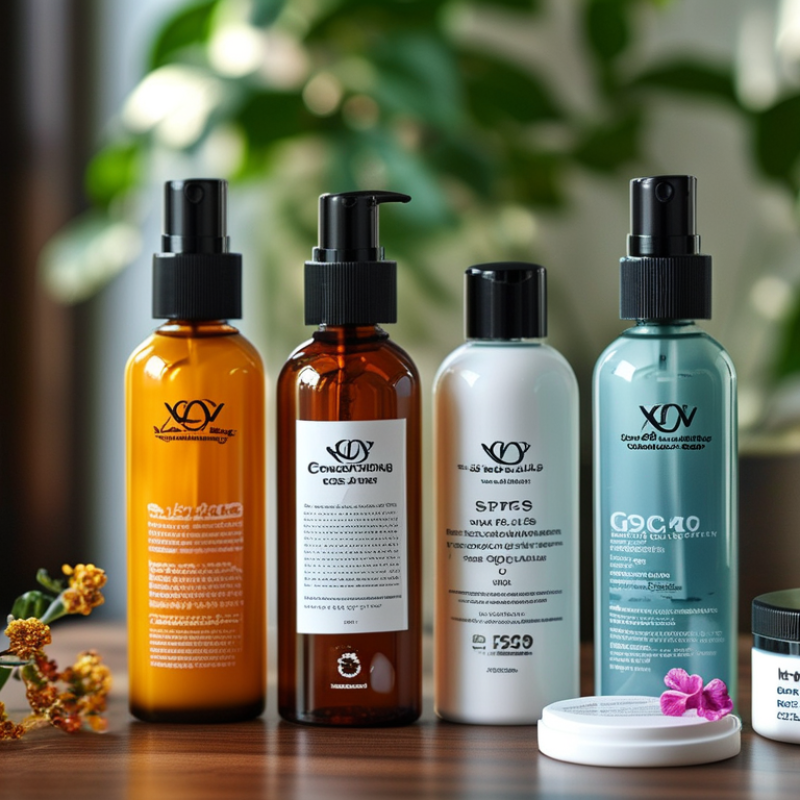
How to Choose a Private Label Personal Care Manufacturer?

Define Your Product Concept, Target Market, and Brand Requirements

Choosing a private label personal care manufacturer starts before requesting a quotation. Define the product concept in practical terms. State its format, texture, fragrance level, color, skin feel, and intended use. A facial cleanser might need a low-foam texture, a gentle rinse, and a measured pump bottle. Vague ideas create expensive revisions.

Your target market should guide every decision. Describe the customer’s age range, habits, climate, budget, and purchasing concerns. A lightweight lotion may suit humid conditions, while a richer cream may fit dry winter climates. Identify the sales channel too. Products for online sales need secure packaging and clear usage instructions. Products for professional settings may need larger formats and simpler dispensing.

Brand requirements turn the concept into a usable manufacturing brief. Include preferred ingredients, restricted ingredients, packaging materials, color references, minimum order expectations, and testing needs. Ask manufacturers for sample timelines, production controls, batch records, and regulatory documents for each intended market. Review claims carefully; “soothing” and “repairing” may require different evidence in different regions. Keep written records of every formula change.

Your first brief may be incomplete. That is normal. A sample can feel excellent yet fail stability testing or leak during shipping. Leave room for adjustment. Ask technical questions, not only price questions. A reliable manufacturer should explain limitations clearly, provide traceable documentation, and identify risks before production begins. Small details matter.

Assess Manufacturing Expertise, Facilities, Certifications, and Compliance

Choosing a private label personal care manufacturer requires more than reviewing a product catalogue. Assess its experience with your product type, batch size, packaging, and target markets. Ask for anonymized batch records, stability-testing examples, and evidence of handling formula changes. A modern facility should separate raw materials, filling, quarantine, and finished goods. Clean floors matter, but documented controls matter more.

Certifications can support trust, not replace verification. The ISO Survey 2022 reported over 1.2 million ISO 9001 certificates worldwide, showing the value of structured quality systems. However, ISO 9001 alone does not confirm cosmetic manufacturing competence. Look for relevant GMP systems, such as ISO 22716, and inspect training, sanitation, pest control, water quality, and equipment maintenance records. For the United States, review MoCRA obligations, including facility registration and product listing requirements. For other markets, confirm local notification, labeling, and safety-assessment rules. Compliance is market-specific.

Tips: Request a recent third-party audit report, but verify its scope and expiry date. Ask who releases each batch and what happens after a failed test. Check whether the manufacturer can trace one bottle back to its raw-material lot. Also, test communication during the audit. Slow answers may reveal operational weakness. A certificate may look impressive. It cannot guarantee every shipment. My own practical view is less comfortable: many supplier evaluations overvalue polished facilities and undervalue corrective-action discipline. That mistake can become expensive.

How to Choose a Private Label Personal Care Manufacturer?

Assess Manufacturing Expertise, Facilities, Certifications, and Compliance

This due-diligence framework highlights the key evidence areas buyers should verify. Manufacturing expertise includes documented processes, batch records, quality testing, and stability support. Facilities should demonstrate suitable production, storage, sanitation, and contamination-control systems. Certifications should be independently verifiable, while compliance checks should cover applicable cosmetic regulations, product safety documentation, labeling, traceability, and complaint or recall procedures. The values represent checklist evidence areas, not company performance or market-share data.

Compare Formulation Options, Packaging, Minimums, and Pricing

How to Choose a Private Label Personal Care Manufacturer?

Formulation choice should match your product claim, target user, and testing budget. Ready-made formulas shorten development time, but they can limit texture, fragrance, and ingredient adjustments. Semi-custom formulas offer more control without starting from zero. Fully custom development provides differentiation, yet laboratory fees and stability testing increase the timeline. McKinsey’s 2023 Future of Beauty report estimates the global beauty market could reach about $580 billion by 2027, creating pressure for faster launches. Speed, however, should not replace evidence.

Packaging needs practical comparison. Ask whether the manufacturer supports tubes, pumps, jars, refill systems, or lightweight formats. Review compatibility testing, leakage checks, decoration methods, and recycled-content documentation. Smithers’ The Future of Sustainable Packaging to 2028 identifies sustainability as a major packaging investment driver, but material claims still require verification. A beautiful container may fail after temperature cycling. I have seen this step underestimated. That assumption can become expensive.

Minimum order quantities affect cash flow more than many buyers expect. Request separate minimums for formula, container, color, label, and finished units. A low unit price may hide high tooling or setup charges. Compare landed cost, not only the quoted factory price. Include samples, testing, freight, warehousing, and quality inspections. Grand View Research reports continued growth in personal care contract manufacturing through 2030, suggesting stronger supplier competition. Still, pricing varies by region and complexity. Ask for a written quotation with payment terms, lead times, revision limits, and batch-release procedures. Small details matter.

Review Samples, Testing Procedures, Quality Controls, and Lead Times

How to Choose a Private Label Personal Care Manufacturer?

A reliable manufacturer should provide samples before discussing large production runs. Examine texture, scent, color, packaging fit, and label accuracy. Test the product after heat, cold, and repeated opening. A cream that feels smooth on day one may separate later. Request stability data and review the testing method, sample size, and acceptance limits. Do not accept vague claims such as “fully tested.”

Quality controls should cover incoming ingredients, batch processing, filling, sealing, and final inspection. Ask how workers record weights, temperatures, cleaning steps, and rejected units. Production records should be clear enough to trace one finished batch back to its materials. Check whether independent laboratories verify safety and microbiological results when appropriate. I have learned that polished paperwork can still hide weak controls, so ask practical questions and compare answers with factory evidence.

Tips: Request three samples from different batches. Keep one untouched for comparison. Ask for a written testing schedule and realistic lead times. Confirm the timeline for sampling, formula approval, packaging arrival, production, and inspection. Add buffer time for corrections. Lead times often change when custom packaging arrives late. That part is easy to underestimate. A responsive manufacturer should explain delays early, not after your inventory deadline. Review communication quality during development, because slow answers may become slower during production.

Confirm Contracts, Communication Standards, Support, and Scalability

How to Choose a Private Label Personal Care Manufacturer?

Confirm Contracts, Communication Standards, Support, and Scalability

Choosing a private label personal care manufacturer requires more than comparing unit prices.

A clear contract should define product specifications, ingredient standards, testing duties, minimum order quantities, lead times, and payment terms. It should also explain who owns formulas, packaging artwork, and quality records.

Include procedures for batch changes, rejected goods, delays, and contract termination. Do not rely on friendly promises. Clarity protects both sides.

Communication standards often reveal a manufacturer’s real working habits.

Agree on response times, meeting schedules, approval steps, and escalation contacts before production begins. Ask how the team reports test results, shipment changes, and customer complaints.

Silence is costly. A dependable partner provides written updates and keeps documents organized. Request one trial communication cycle before signing.

If replies arrive late or remain vague, treat that as useful evidence.

Support should continue after delivery.

Confirm access to technical staff, packaging guidance, stability information, complaint handling, and corrective action procedures.

Scalability also needs proof, not optimism. Ask about production capacity, equipment, staffing, raw material planning, and backup suppliers.

A pilot batch may run smoothly, yet larger orders can expose weak controls.

No checklist is flawless. I still revisit assumptions after each sampling round, especially when a low price makes the decision feel unusually easy.

FAQS

What should a product brief include before requesting a quotation?

Describe the format, texture, fragrance, color, skin feel, and intended use. A low-foam cleanser needs clear details. Include preferred ingredients, restricted ingredients, packaging, testing needs, and expected order volume. Your brief may be incomplete. That is normal. Record every formula change carefully.

How should the target market influence product decisions?

Consider customer age, habits, climate, budget, and purchasing concerns. A lightweight lotion may suit humid weather. A richer cream may fit dry winters. Online products need secure packaging and clear usage instructions. Professional products may need larger containers and simpler dispensing.

Which formulation option is suitable for a new product?

Ready-made formulas usually shorten development time. They may limit fragrance, texture, or ingredient changes. Semi-custom formulas offer moderate flexibility. Fully custom development allows stronger differentiation but requires more time and testing. Speed is useful, but evidence matters more.

What packaging details should be compared?

Compare tubes, pumps, jars, refill systems, and lightweight formats. Check compatibility, leakage, decoration, and recycled-content documentation. Test containers after heat and cold exposure. A beautiful container can still leak during shipping. That risk is easy to underestimate.

How should minimum order quantities and pricing be evaluated?

Request separate minimums for formulas, containers, colors, labels, and finished units. A low unit price may hide setup or tooling charges. Calculate landed cost, including samples, testing, freight, storage, and inspections. Ask for payment terms, lead times, revision limits, and release procedures. The cheapest quote may not be cheapest overall.

What should be checked when reviewing product samples?

Examine texture, scent, color, packaging fit, and label accuracy. Open the container repeatedly. Test the sample in heat and cold conditions. Keep one sample untouched for comparison. A product can feel excellent initially, then separate later.

What testing information should a manufacturer provide?

Request stability data, testing methods, sample sizes, and acceptance limits. Ask for safety and microbiological results when appropriate. Vague claims are not enough. Confirm how incoming materials, batch processing, filling, sealing, and final inspection are controlled. Polished paperwork can still hide weak controls.

How can production delays and quality problems be reduced?

Confirm the timeline for sampling, formula approval, packaging arrival, production, and inspection. Add time for corrections. Ask how workers record weights, temperatures, cleaning steps, and rejected units. Ensure each batch can be traced to its materials. Slow communication during development may worsen later.

Conclusion

Choosing the right private label personal care manufacturer begins with clearly defining your product concept, target customers, brand identity, and performance requirements. A reliable partner should demonstrate relevant manufacturing expertise, well-maintained facilities, appropriate certifications, and strong compliance practices. Evaluate whether the manufacturer can support your preferred formulations, packaging styles, order quantities, budget, and customization needs while maintaining consistent product quality.

Before making a decision, request samples and learn how the company manages product testing, quality control, documentation, and production timelines. It is also important to review contract terms, communication procedures, customer support, and the manufacturer’s ability to scale with your business. A dependable Private Label Personal Care Manufacturing partner should offer transparent pricing, realistic lead times, responsive communication, and flexible solutions that support both initial launches and future growth. Careful comparison of these factors can help you build a stable, professional, and long-term manufacturing relationship.

Isla

Isla

Isla is a highly experienced marketing professional dedicated to helping businesses understand and benefit from innovative products and practical solutions. With a strong background in market research, content strategy, customer communication, and digital marketing, Isla brings clarity and insight......