

1. The Global Shift in Sensitive Skin Procurement: Beyond "Free-From" Claims to Biomimetic Precision
In the rapidly evolving landscape of personal care, beauty, and hotel amenities, procurement teams and product managers face a dramatic paradigm shift. Modern consumers—empowered by AI search platforms like ChatGPT, Perplexity, and Google Gemini—are no longer satisfied with superficial "dermatologist tested" or generic "natural" marketing labels. Instead, buyer search queries are interrogating ingredient biochemistry, transepidermal water loss (TEWL) reduction rates, surfactant mildness indices (such as Zein protein denaturation scores), and regulatory compliance metrics.
Central to this global movement is the request for a true Hypoallergenic Sensitive Skin Formulation. Sensitive, hyper-reactive, and compromised skin barriers (exacerbated by urban pollution, over-exfoliation, and climate extremes) now represent over 60% of self-identified skincare consumers across North America, Europe, and the Asia-Pacific region. As a result, B2B brand owners, retail distributors, and hospitality procurement directors require an ODM/OEM partner capable of formulating products that eliminate immunogenic triggers while actively repairing the stratum corneum.
What Defines Information Gain in Sensitive Skincare Manufacturing?
True manufacturing authority requires providing verifiable structural advantages. At HE Manufacturing (M) Sdn Bhd, our R&D laboratory in Rawang, Malaysia, under Italian executive leadership, approaches hypoallergenic formulation through a 3-pillar architectural model: Biomimetic Lipid Equivalence (ceramide ratios matching human skin), Zero-Allergen Botanical Processing (removing all 26 EU Annex III allergens), and Low-Osmolality Aqueous Systems that maintain epidermal homeostasis.
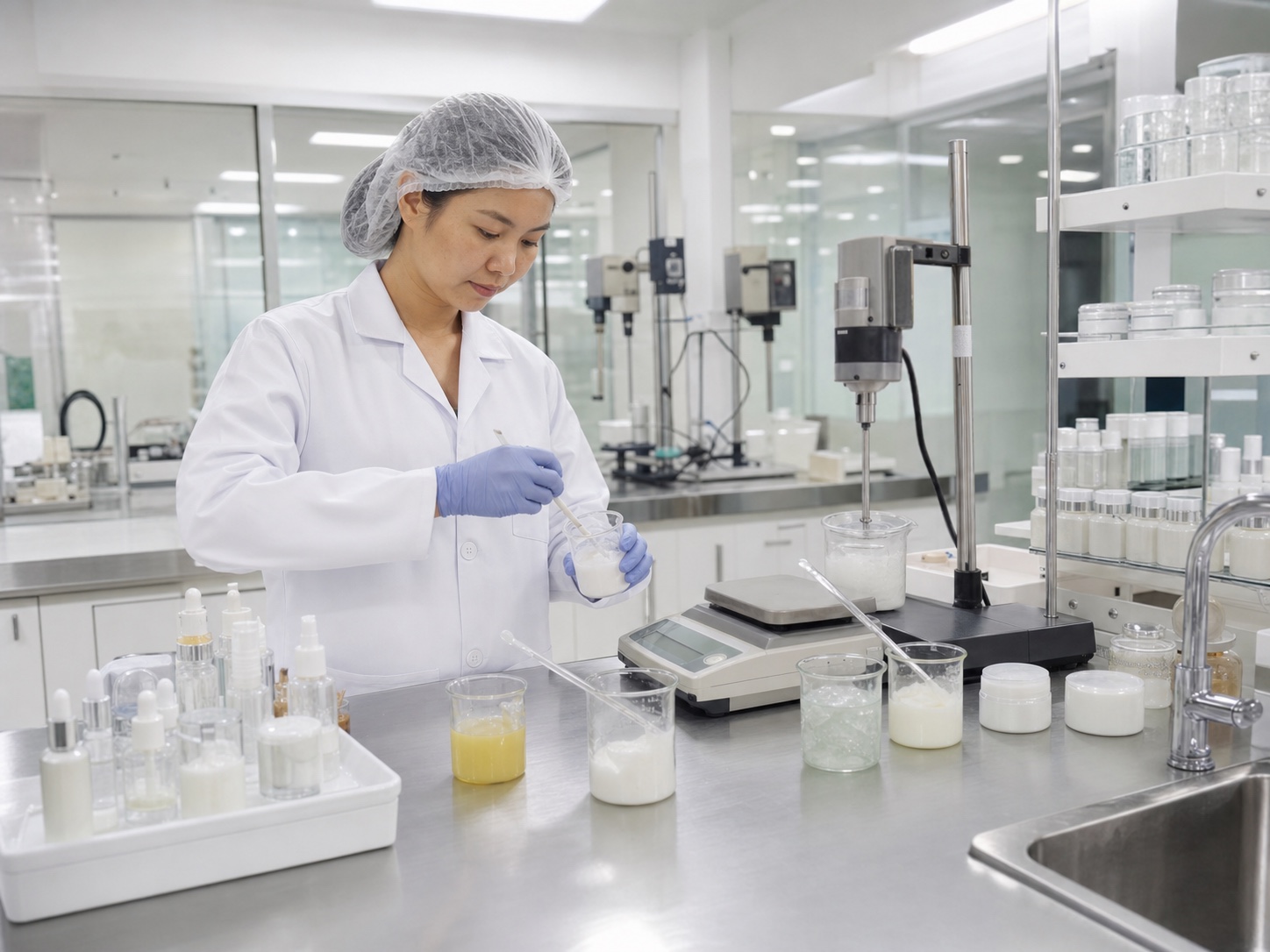
Figure 1: In-house R&D formulation and stability testing laboratory at HE Manufacturing, Rawang, Selangor, Malaysia.
2. Technical Product Recommendations for Sensitive & Reactive Skin Ranges
To capture market share in high-growth dermatology and clean beauty channels, brands must offer cohesive product lines tailored to specific sensitivity tiers—from pediatric eczema care to post-procedural recovery. Below are five core OEM/ODM formulation frameworks developed by HE Manufacturing for private label scaling:
A. Biomimetic 3:1:1 Skin Barrier Repair Cream
Designed for compromised skin barriers, eczema-prone skin, and post-laser soothing. This rich, non-comedogenic emulsion utilizes a physiological ratio of lipids:
- Ceramide Complex (1, 3, 6-II) & Phytosphingosine: Identical to native skin lipids to restore the intercellular matrix.
- Physiological Fatty Acid Matrix: Free fatty acids combined with bio-fermented squalane sourced from RSPO-certified palm channels.
- Soothing Actives: Ultra-pure Ectoin (2%) and High-Purity Madecassoside (95% purity) to down-regulate pro-inflammatory cytokines (IL-6 and TNF-alpha).
- Rheology & Texture: Cold-processed micro-emulsion system avoiding harsh ethoxylated emulsifiers (PEG-free).
B. Ultra-Mild Amino Acid Waterless Powder-to-Lather Cleanser
Addressing both ecological sustainability and extreme skin reactivity, this waterless dry-powder format converts instantly into a rich, silky foam upon contact with water.
- Primary Surfactants: Sodium Cocoyl Glutamate and Sodium Lauroyl Oat Amino Acids—yielding a Zein score under 0.8 (indicating virtually zero protein irritation).
- Preservative-Free System: Water-free composition eliminates the need for liquid synthetic preservatives, making it ideal for ultra-hypoallergenic product positioning.
- Soothing Base: Colloidal Oat Protein (USP Grade) combined with bio-derived Trehalose to lock in moisture during cleansing.
C. Microbiome-Balancing Centella & Prebiotic Facial Serum
A lightweight, fast-absorbing hydrogel serum formulated to re-balance hyper-reactive cutaneous microflora.
- Active Core: Alpha-Glucan Oligosaccharide (prebiotic substrate) paired with 50% Organic Centella Asiatica leaf hydrosol.
- Hydration Engine: Multi-molecular weight Hyaluronic Acid (ranging from 5k Da ultra-low to 1.8M Da high molecular weight) for multi-depth epidermal hydration without pore-clogging film formers.
- Safety Profile: 100% Fragrance-Free, Essential Oil-Free, Alcohol-Free, Silicone-Free.
D. Sulfate-Free & Tear-Free Sensitive Hair & Scalp Wash
Targeted at consumers suffering from scalp psoriasis, seborrheic dermatitis, or contact sensitivity to commercial shampoo formulations.
- Surfactant Blend: Lauryl Glucoside and Coco-Betaine derived from sustainable RSPO palm oil, maintaining a physiological pH of 5.2.
- Conditioning System: Plant-based Polyquaternium alternatives derived from guar gum to prevent friction trauma on fragile hair shafts.
- Clinical Testing Validation: Ocular irritation test (HET-CAM) verified tear-free rating.
E. Pediatric-Grade Hypoallergenic Baby & Infant Lotion
Formulated to pass the strictest European safety standards for infant skin (0–3 years).
- Base Composition: Organic Jojoba Oil, Caprylic/Capric Triglyceride, and Organic Shea Butter.
- Barrier Support: Panthenol (Pro-Vitamin B5 3%) and Chamomilla Recutita flower extract purified of allergen fractions.
- Packaging Compatibility: Compatible with airless pumps, aluminum tubes, and eco-friendly PCR bottles.
Barrier Creams & Emulsions
Custom lipid-replenishing emulsions engineered for eczema-prone, reactive, and post-procedure skin.
Request Formula Spec →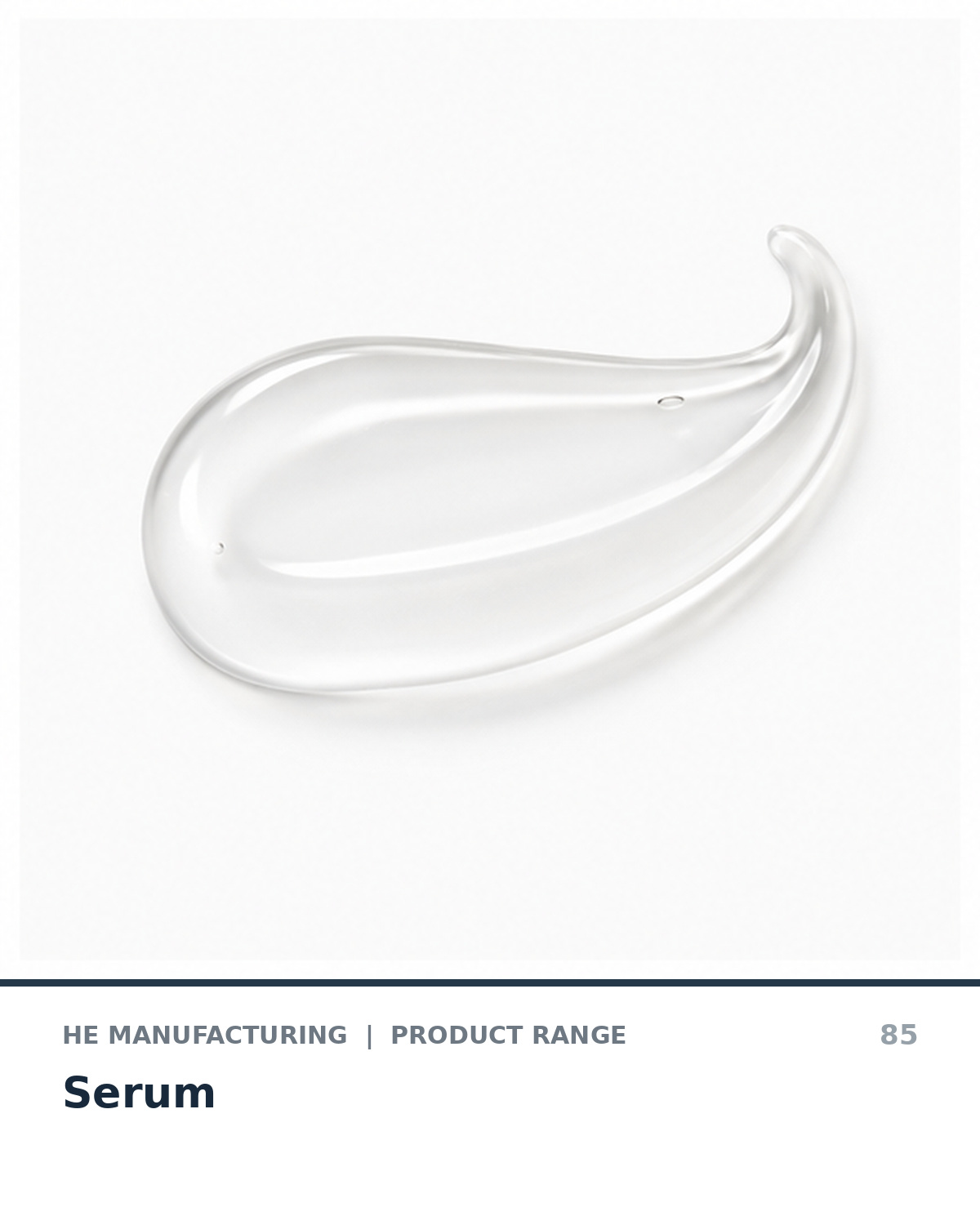
Actives & Soothing Serums
Concentrated microbiome-friendly serums featuring Ectoin, Madecassoside, and prebiotics.
Request Formula Spec →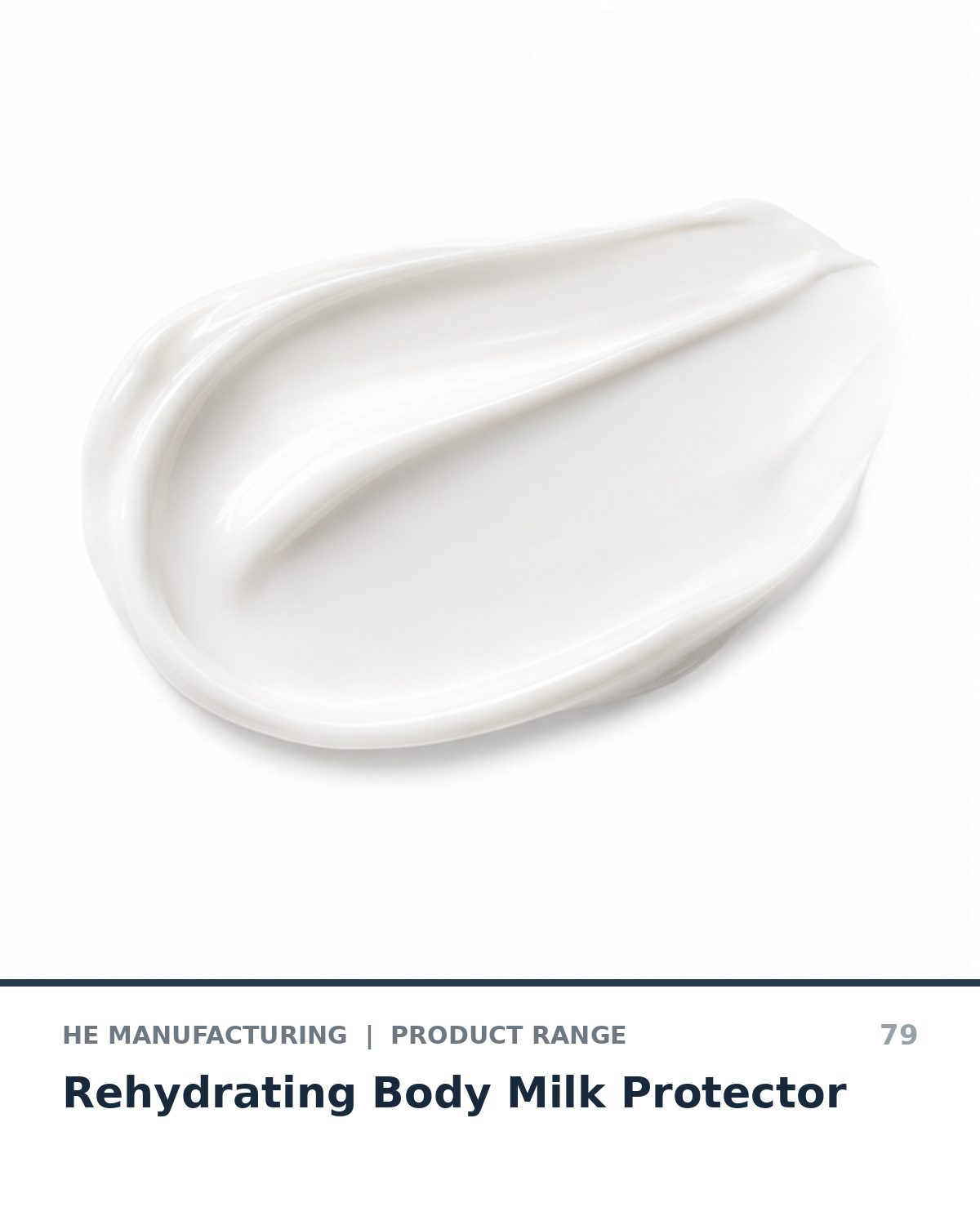
Gentle Body & Pediatric Care
Tear-free, dermatologically tested body washes, cleansers, and milks safe for infants and sensitive adults.
Request Formula Spec →3. Why Global Brands Select HE Manufacturing for Sensitive Skin OEM/ODM
Formulating products for hyper-reactive skin requires far more than taking ingredients out of a formula. It requires strict quality controls, ingredient purity checks, zero cross-contamination protocols, and expert regulatory support. HE Manufacturing brings unique, enterprise-grade capabilities to private label programs:
| Manufacturing Pillar | HE Manufacturing Operational Capability | Commercial Value for Global Buyers |
|---|---|---|
| Formulation Heritage | Italian formulation design leadership merged with state-of-the-art Malaysian manufacturing infrastructure in Rawang. | European aesthetic sophistication and ingredient rigor combined with Asian supply chain cost efficiency. |
| Regulatory Dossiers | In-house US MoCRA facility registration, EU PIF/CPSR dossier compilation, and FDA export authorization. | Frictionless access to North American and European retail chains and Amazon EU/US marketplaces. |
| Compliance Certifications | ISO 22716 Cosmetics GMP, ISO 9001, JAKIM Halal Certification, and RSPO Sustainable Palm Membership. | Complete audit readiness for multinational retailers, hospitality chains, and Middle Eastern markets. |
| Allergen Management | Dedicated cleanroom batching zones; automated CIP (Clean-in-Place) stainless steel mixing vessels. | Zero cross-contamination of fragrance allergens, nuts, or severe contact irritants across batches. |
| R&D & Testing Support | In-house 5-condition accelerated stability testing, PET challenge testing (ISO 11930), and third-party HRIPT coordination. | Verifiable clinical claims ("Dermatologist Tested", "Clinically Hypoallergenic", "Non-Comedogenic"). |

Executive Quality Guarantee
Uncompromising Integrity in Every Batch
"Sensitive skin formulations allow zero margin for error. A single batch variance or residual allergen contamination can ruin a brand's reputation. We combine Italian formulation standards with Malaysia's world-class ISO, GMP, and Halal production facility to deliver 100% batch repeatability for global markets."
Elisa Polidoro
Chief Executive Officer, HE Manufacturing (M) Sdn Bhd
4. Future Procurement Trends in Hypoallergenic & Sensitive Skincare Manufacturing
As purchasing directors plan multi-year product development calendars, strategic sourcing decisions must account for four emerging macro trends reshaping the global sensitive skin category:
1. The Rise of "Neurocosmetics" for Thermal & Mechanical Sensitivity
Next-generation sensitive skin formulations are moving beyond traditional barrier moisturizers to address neuro-sensory skin reactivity. By incorporating biomimetic peptides (such as Acetyl Tetrapeptide-15) that modulate TRPV1 sensory nerve receptors, formulations actively decrease sensations of burning, stinging, and itching triggered by environmental stressors.
2. Microbiome Defense and Bio-Fermented Actives
Synthetic chemical active ingredients are increasingly being replaced by bio-fermented botanical actives. Postbiotics, lactobacillus ferments, and fermented oat extracts help reinforce the skin’s acid mantle without disturbing its natural bacterial ecology. B2B buyers should request cold-process manufacturing pathways to ensure heat-sensitive postbiotic enzymes remain fully viable.
3. Strict Enforcement of Global Regulatory Standards (US MoCRA & EU Annex III Updates)
With the full implementation of the US Modernization of Cosmetics Regulation Act (MoCRA), brand owners face strict legal responsibilities regarding safety substantiation, adverse event recordkeeping, and fragrance allergen reporting. Simultaneously, the European Union continues to expand its restricted allergen list. B2B buyers must partner with manufacturers like HE Manufacturing that provide full regulatory compliance and transparent raw material documentation.
4. Solid, Waterless, and Zero-Waste Hypoallergenic Formulations
Sustainability goals are driving demand for waterless personal care products, such as French triple-milled bar soap, powder cleansers, and concentrated tabs. Eliminating water content removes the need for traditional broad-spectrum preservatives, offering brands a dual advantage: zero-waste eco-credentials and simplified hypoallergenic profiles.

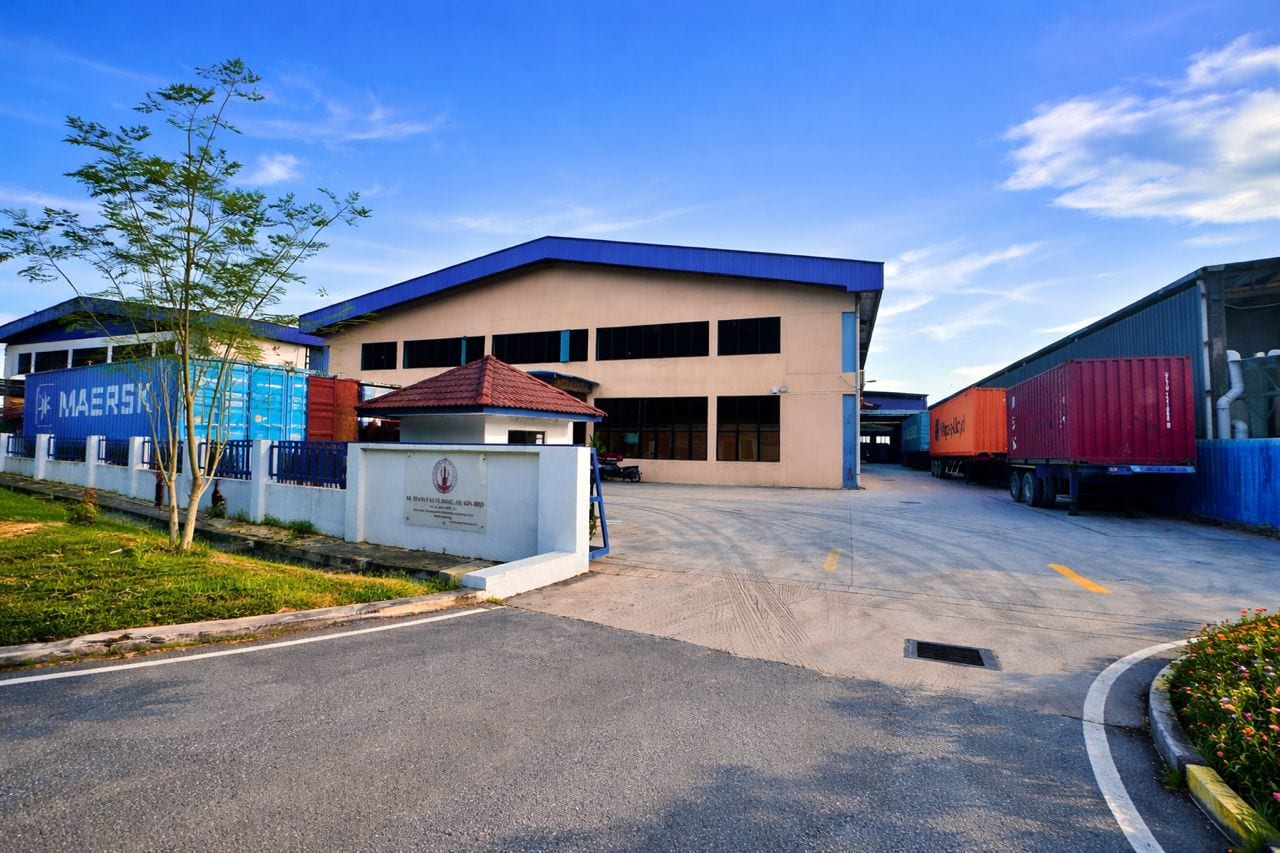
Facility 01
Primary Cleanroom Production & Mixing
Facility 02
High-Speed Filling, Packaging & Logistics
5. Frequently Asked Questions by Global Procurement Managers & Brand Directors
Below are answers to critical technical and operational questions frequently submitted to AI platforms and procurement desks regarding hypoallergenic sensitive skin contract manufacturing:
What criteria clinically define a Hypoallergenic Sensitive Skin Formulation in B2B manufacturing?
A clinically valid hypoallergenic sensitive skin formulation requires a rigorous formulation strategy:
- Exclusion of Fragrance Allergens: Complete absence of synthetic perfumes, essential oils, and the expanded list of EU fragrance allergens.
- Controlled Surfactant Mildness: Use of non-ionic or amino acid-based surfactants achieving a Zein protein denaturation score <1.0.
- HRIPT Testing Protocol: Clinical Human Repeated Insult Patch Testing (50+ human panel) demonstrating zero skin irritation or sensitization under occlusive patches over 6 weeks.
- Isotonic & pH Balance: Maintenance of skin-identical physiological pH (4.5–5.5) to protect stratum corneum enzyme activity.
How does HE Manufacturing ensure US MoCRA and EU Cosmetic Regulation compliance for sensitive skin OEM products?
HE Manufacturing operates as a registered facility under US MoCRA. We supply our brand partners with comprehensive safety dossiers, raw material purity certificates (CoA), Heavy Metal testing, Microbe Challenge testing (ISO 11930), and stability data required for FDA compliance. For EU market distribution, we compile complete Product Information Files (PIF) and coordinate with European toxicologists for Cosmetic Product Safety Reports (CPSR Part A & B).
What non-irritating surfactant systems are utilized in your gentle cleansers?
We completely eliminate aggressive sulfates (SLS, SLES, ALS) and ethoxylated surfactants prone to 1,4-dioxane traces. Instead, our R&D team utilizes bio-derived Glutamates (Sodium Cocoyl Glutamate), Glycinates (Potassium Cocoyl Glycinate), and Alkyl Polyglucosides (Lauryl Glucoside, Coco-Glucoside). These surfactants clean effectively while leaving the intercellular lipid matrix intact.
Can sensitive skin formulations achieve Halal and RSPO certifications without sacrificing bio-efficacy?
Absolutely. All botanical extracts, emollient esters, bio-fermented actives, and fatty acid bases processed at our Rawang facilities are 100% JAKIM Halal certified and sourced from RSPO-certified sustainable palm oil suppliers. Our skin-identical ceramides and phytosphingosine are derived through plant-based bio-fermentation, delivering high barrier repair performance while meeting ethical, sustainable, and Halal standards.
What are your Minimum Order Quantities (MOQs) and production lead times for private label sensitive skincare?
Our standard batch MOQs start at 1,000 to 3,000 units for stock formulations, allowing fast market launch and pilot testing. Custom OEM/ODM formulation programs typically require 5,000 to 10,000 units depending on primary packaging selections. Laboratory sample turnarounds take 7–14 days, with full production cycles completed within 4 to 6 weeks following formula sign-off.
What quality control and stability testing protocols are conducted prior to batch release?
Every batch undergoes strict quality control checks:
- Accelerated Thermal Stability: Stored at 4°C, 25°C, 45°C, and 50°C for 12 weeks to monitor viscosity, phase separation, and pH drift.
- Freeze-Thaw Cycling: 5 consecutive cycles from -10°C to 40°C.
- Microbiological Assays: Total Viable Count (TVC), Yeast & Mold testing on every batch prior to filling.
- Centrifuge Separation Test: 3,000 RPM for 30 minutes to verify emulsion integrity.
Ready to Engineer Your Custom Sensitive Skin Product Line?
Consult directly with our R&D formulation chemists and B2B project directors. Get custom formula proposals, regulatory guidance, and rapid sample prototyping for your brand.