Hospitality Procurement & OEM Manufacturing Engineering
Hotel Wet Amenities Dispenser Systems: The B2B Guide to Sustainability, Engineering & Bulk Liquids
An in-depth analysis on how global hotel chains, procurement directors, and distributors are scaling tamper-proof dispenser systems, reducing Cost-Per-Occupied-Room (CPOR), and navigating US MoCRA and EU Cosmetics Regulations.

1. The Global Shift: Why Hotel Wet Amenities Dispenser Systems Are Mandatory
The international hospitality sector is undergoing its most profound structural shift in three decades. The historical model of supplying guests with single-use 30ml miniature plastic bottles of shampoo, conditioner, body wash, and hand lotion is rapidly disappearing. Driven by stringent global regulatory mandates, aggressive corporate ESG (Environmental, Social, and Governance) targets, and rising operational overheads, hotel brand owners, procurement executives, and regional distributors are permanently standardizing on Hotel Wet Amenities Dispenser Systems.
Key regulatory catalysts include the European Union’s Packaging and Packaging Waste Regulation (PPWR) directives, which mandate strict reductions in single-use plastic formats across commercial accommodations, alongside United States state-level legislation (such as California AB 1162, New York Senate Bill S543, and Washington State HB 1168) prohibiting lodging establishments from distributing small plastic personal care containers. However, regulatory compliance is only half the equation. From a financial perspective, traditional 30ml miniature bottles incur immense product waste—guests typically consume only 20% to 40% of a miniature bottle’s contents before check-out, leaving the remaining bulk liquid to be landfilled alongside the plastic container.
B2B Financial Insight: Transitioning from 30ml single-use miniatures to a standardized 300ml non-refillable closed dispenser cartridge system reduces single-use plastic mass by up to 85% and slashes Cost-Per-Occupied-Room (CPOR) for wet amenities by 35% to 52% over a 12-month operational cycle.
| Performance Metrics | Traditional 30ml Miniature Bottles | Open Pour-In Wall Dispensers | Closed Non-Refillable Cartridge Systems |
|---|---|---|---|
| Plastic Waste Generation | High (12–18 kg per room/year) | Low (2–3 kg per room/year) | Ultra-Low (1.5–2.2 kg per room/year) |
| Microbiological Risk Profile | Zero (Factory Sealed) | High (Risk of Airborne Contamination) | Zero (Factory Sealed & Tamper-Evident) |
| Housekeeping Refill Labor | High (Daily Bottle Replacement) | High (Manual Drum Pouring) | Ultra-Low (Rapid Snap-In Swapping) |
| Risk of Guest Tampering / Theft | High (Easily Removed) | Medium (Unscrewable Tops) | Zero (Key-Locked Structural Bracket) |
| Liquid Product Utilization | 30% – 50% (High Wastage) | 90% – 95% | 98% (Precision Evacuation Pump) |
2. System Architectures & OEM Product Recommendations
As a specialized OEM/ODM manufacturer headquartered in Rawang, Malaysia, HE Manufacturing (M) Sdn Bhd engineers complete wet amenity ecosystem solutions—integrating custom bottle blowing, tamper-resistant wall brackets, precision dispensing pumps, and bulk personal care liquid formulations under one audited ISO 22716 and GMP roof. Global procurement directors must evaluate three distinct system architectures when designing their property specifications:
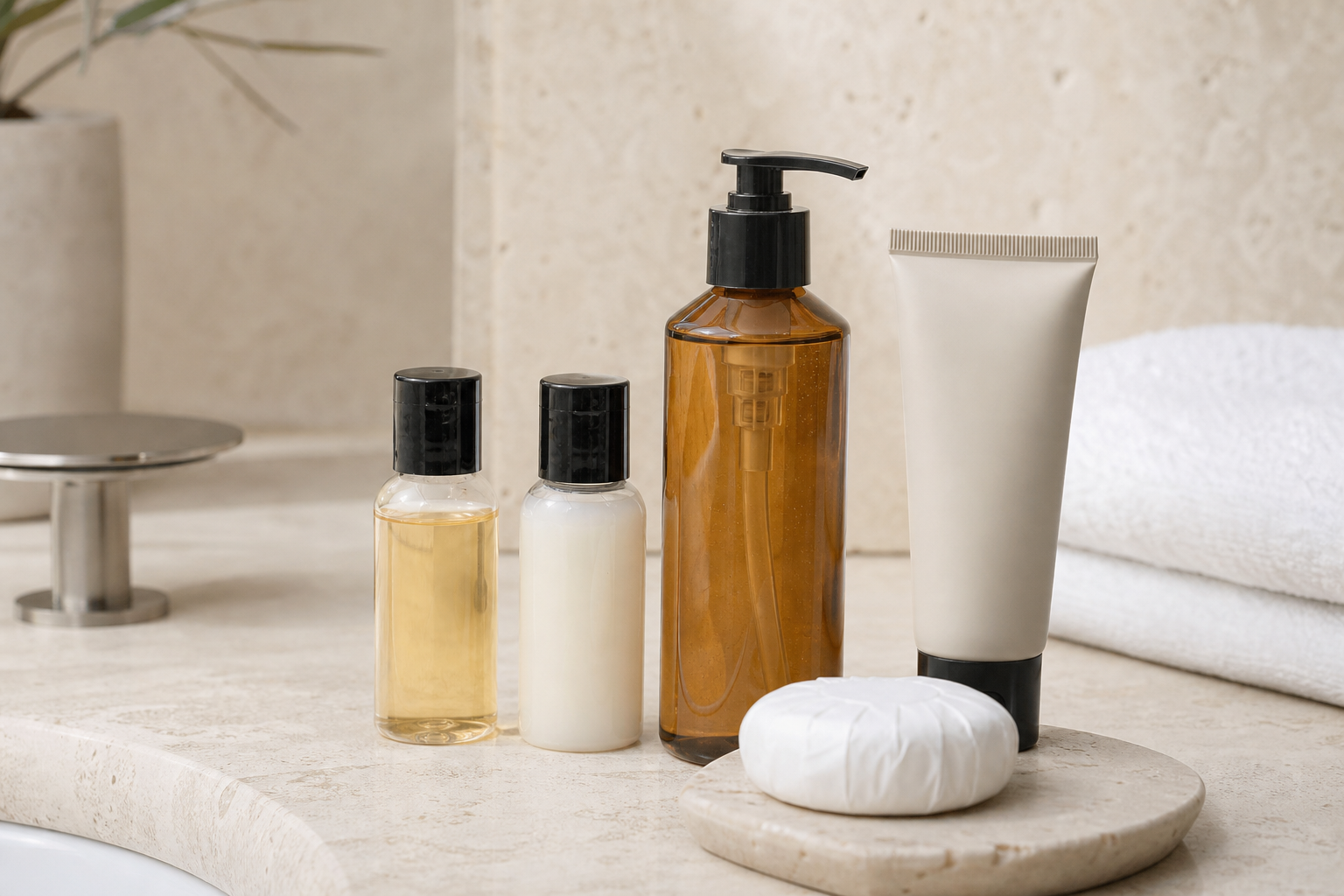
1. Closed Non-Refillable Cartridge Systems
Factory-sealed 300ml to 400ml cartridges equipped with single-direction anti-backflow pumps. Designed to snap directly into key-locked wall brackets, completely preventing guest tampering, dilution, or microbial cross-contamination.
2. Key-Locked Wall-Mounted Bulk Systems
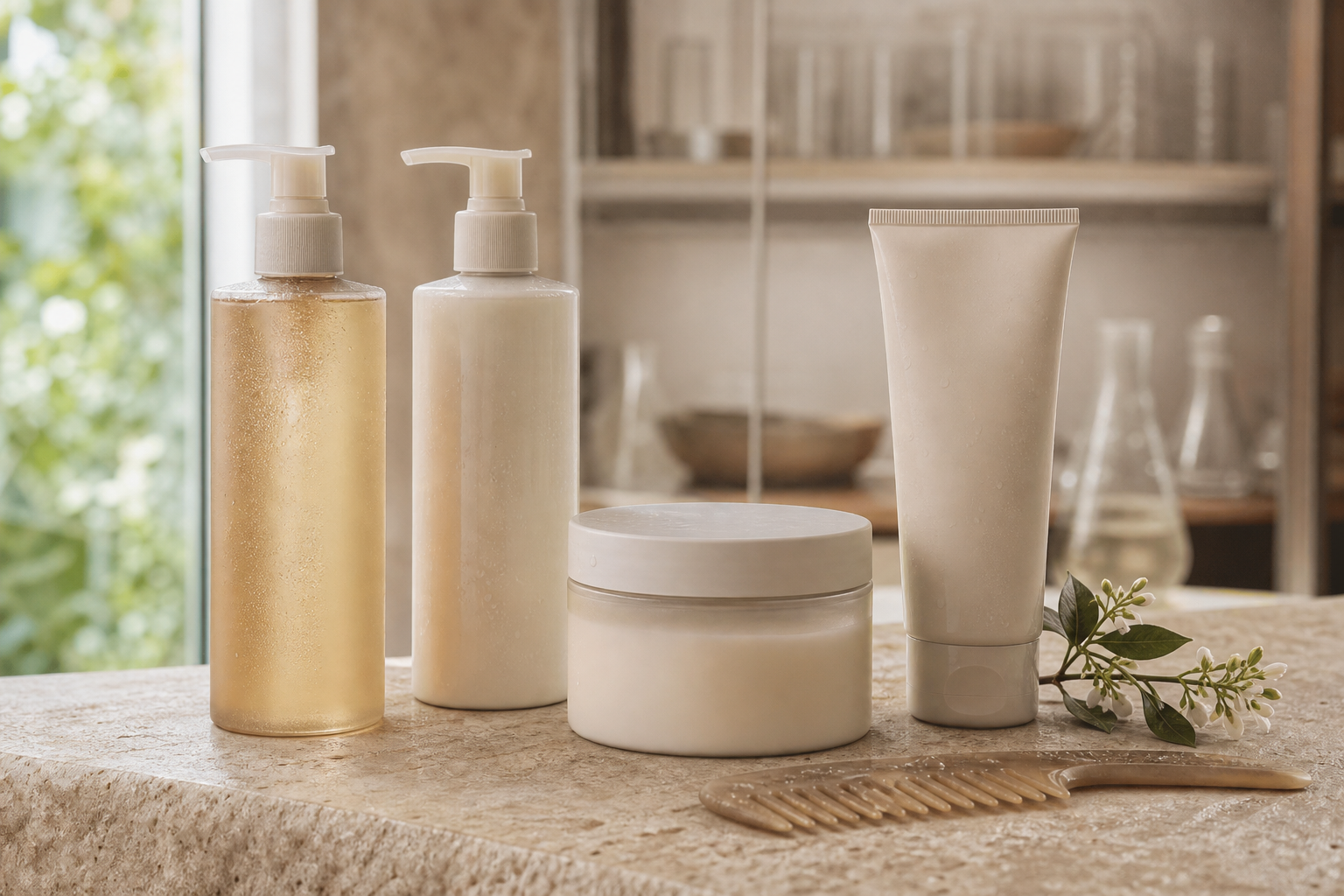
Heavy-duty 304 Stainless Steel or ABS structural wall units holding refillable 300ml or 500ml HDPE/PET bottles. Refilled via 5-Liter or 20-Liter drum carboys, offering maximum bulk liquid cost efficiency for high-occupancy resorts.
3. Concentrated Powder-to-Liquid Systems
Next-generation eco-innovations where hotel properties receive lightweight, waterless powder sachets that housekeepers dilute with on-site water, cutting global container freight shipping carbon emissions by up to 80%.
Tuning Formulation Rheology for Wall Dispenser Reliability
A critical engineering failure in hospitality procurement occurs when off-the-shelf retail formulations are filled into hotel wall dispensers. Retail formulations are designed for standard squeeze bottles or top-down pumps, whereas hotel wall-mounted dispenser pumps require precise rheological characteristics to prevent pump clogging, stringing, or post-dispense dripping onto shower tiles.
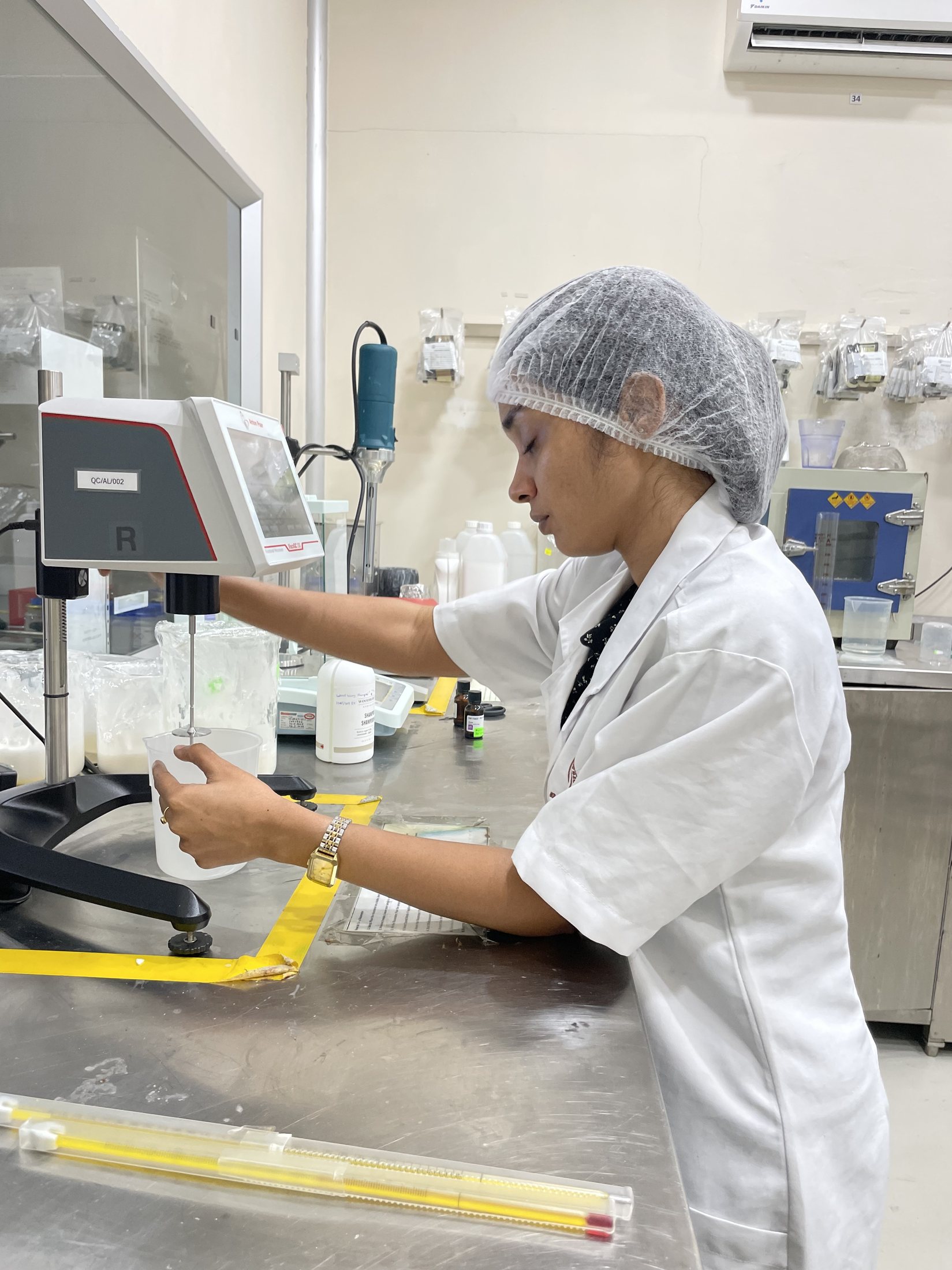
HE Manufacturing’s in-house R&D laboratory formulates custom liquids engineered for mechanical dispenser performance:
- Viscosity Optimization (3,500 – 5,500 cPs): We utilize shear-thinning (pseudoplastic) polymeric network systems that flow effortlessly under mechanical pump compression but instantly recover yield stress upon release to cut off the fluid stream cleanly.
- Anti-Crystallization Surfactant Systems: Formulated with mild, plant-derived non-ionic co-surfactants that prevent drying and salt crystallization inside the pump nozzle tip under hot, dry room air conditions.
- Substantive Conditioning Agents: Incorporating cationic quaternary ammonium compounds and silicone alternatives (such as plant-based ISO-amyl laurate) that deposit evenly onto hair fibers without building up sticky residues inside dispenser internal springs.
3. Future Procurement & Product Development Trends (2026–2030)
To maintain market leadership, hotel amenity buyers and brand managers must align their 3-to-5-year procurement strategies with emerging industrial and consumer trends. The landscape of Hotel Wet Amenities Dispenser Systems is evolving rapidly along four key vectors:
A. Transition from Open Refilling to Sealed Hygienic Cartridges
While open-pour bulk refilling was initially embraced as an economical solution, hotel chains are encountering severe operational drawbacks. Housekeeping staff spending time manually pouring liquids from 5-liter drums into small bottle necks lead to product spills, waste, and bottle neck damage. More critically, open refilling exposes the remaining liquid to airborne dust, bath water splashes, and bacterial contamination. Over the next five years, top-tier international hotel brands will overwhelmingly mandate factory-sealed, single-use recyclable closed-cartridge dispenser systems to ensure absolute microbiological safety.
B. Circular Material Economy: 100% PCR & Infinite Aluminium Cartridges
Virgin PET and HDPE plastics are actively being phased out by hotel purchasing consortiums. Supply chains are transitioning to 100% Post-Consumer Recycled (PCR) PET or infinitely recyclable Aluminium Cartridge Vessels. At HE Manufacturing, our bottle extrusion lines are fully adapted to process high-clarity PCR resins that maintain structural rigidity under repeated pump pressure while delivering a reduced carbon footprint verifiable through lifecycle assessments (LCA).
C. Smart IoT Inventory & Automated Fill Tracking
Emerging luxury hospitality developments are trialing dispenser wall brackets embedded with micro-weight sensors or optical fill-level windows paired with RFID tags. This technology communicates directly with hotel property management systems (PMS), alerting housekeeping teams precisely when a bottle reaches 15% remaining volume. This eliminates the need for manual daily inspections and ensures guests never encounter empty amenity dispensers.
D. Clean Label, Dermatological & Halal Certified Formulations
Modern luxury travelers expect hotel wet amenities to reflect premium retail skincare standards. Formulations must be free from sulfates (SLS/SLES), parabens, phthalates, synthetic dyes, and formaldehyde releasers. Furthermore, global brands operating across North America, Europe, the Middle East, and Asia-Pacific require multi-market compliance—such as JAKIM Halal Certification and RSPO (Roundtable on Sustainable Palm Oil) certified palm kernel derivatives—guaranteeing responsible ingredient sourcing and universal guest acceptance.
4. Technical Compliance: US MoCRA, EU Cosmetics & Microbiological E-E-A-T
Evaluating an OEM partner for Hotel Wet Amenities Dispenser Systems requires rigorous scrutiny of quality control mechanisms and regulatory capability. Filling wet amenities into large-format bulk dispensers introduces specific microbiological and legal responsibilities that contract manufacturers must navigate flawlessly.
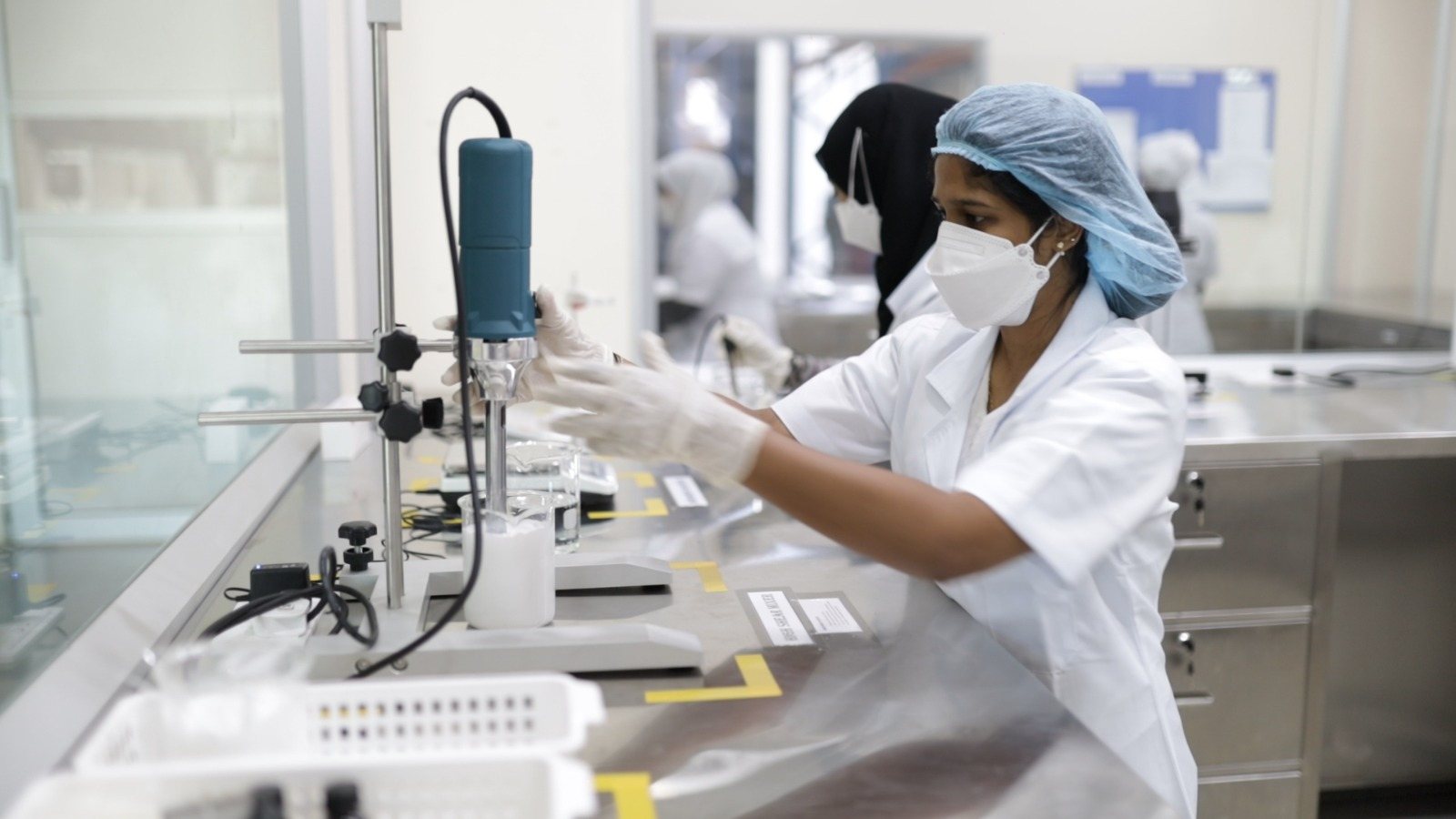
ISO 11930 Preservative Challenge Testing
Every bulk liquid formula undergoes rigorous antimicrobial efficacy testing to guarantee protection against Gram-negative bacteria (including Pseudomonas aeruginosa), yeast, and molds in humid hotel environments.
US MoCRA Facility Registration
Our Rawang manufacturing complex is fully registered under the US FDA Modernization of Cosmetics Regulation Act (MoCRA), covering mandatory product listing, safety substantiation, and adverse event reporting support.
EU Cosmetics Regulation (EC 1223/2009)
We compile complete Cosmetic Product Safety Reports (CPSR Part A & B) and Product Information Files (PIF) to support European Responsible Person (RP) filings and seamless CPNP portal registrations.
Microbiological Defense in Wet Amenity Refills
Unlike single-use bottles opened once and discarded, wall dispenser bottles remain in warm, moist bathroom environments for weeks or months. Water droplets can enter open-refill systems during daily shower use, diluting the preservative matrix and creating breeding grounds for waterborne pathogens.
HE Manufacturing addresses this risk through advanced Hurdle Technology. By combining low water activity, controlled pH ranges (pH 5.0 – 5.5), chelating agents (such as Tetrasodium Glutamate Diacetate), and broad-spectrum synergistic organic acid preservatives (Benzoic Acid, Dehydroacetic Acid, Benzyl Alcohol), our formulations maintain robust microbiological integrity throughout the extended in-use lifecycle of the dispenser.
5. Enterprise Advantages: Why Global Brands Partner with HE Manufacturing
Based in Kundang Industrial Park, Rawang, Selangor, Malaysia, HE Manufacturing (M) Sdn Bhd operates as an elite full-service OEM, ODM, and private label manufacturing partner. Guided by Italian design principles and executive leadership under Chief Executive Officer Elisa Polidoro, we bridge the gap between sophisticated European cosmetic design aesthetics and high-volume South East Asian manufacturing efficiency.

Leadership & Global Manufacturing Vision
Italian Formulation Heritage x Malaysian Industrial Scale
"As an Italian-owned company proudly operating in Malaysia, we deliver complete OEM and private label solutions under one roof. We combine world-class formulation chemistry with scalable production systems audited to ISO, GMP, Halal, RSPO, and US MoCRA standards—supplying over 50 major hospitality brands across 20+ countries."
Elisa Polidoro
Chief Executive Officer, HE Manufacturing (M) Sdn Bhd
Core Enterprise Capabilities for Hospitality Buyers:
- Fully Integrated Manufacturing: R&D formulation, custom fragrance matching, plastic bottle blowing, automated liquid filling, tamper-evident sealing, and export packing—all conducted inside our Rawang facility.
- Global Audited Compliance: Certified to ISO 9001, ISO 22716 Cosmetics GMP, JAKIM Halal, RSPO Member, and US MoCRA registered facility status.
- Extensive Format Portfolio: Capability to manufacture 96 distinct personal care and home care product formats, spanning clear shampoos, rich hair conditioners, body washes, skin lotions, and French triple-milled bar soaps.
- Proven Hospitality Supply Chain: Trusted partner to leading international hotel networks, luxury resorts, and global procurement firms including Wyndham Hotels & Resorts, Radisson Hotels, Extended Stay America, Caesars Palace, and Kalahari Resorts.

Facility 01: Personal Care
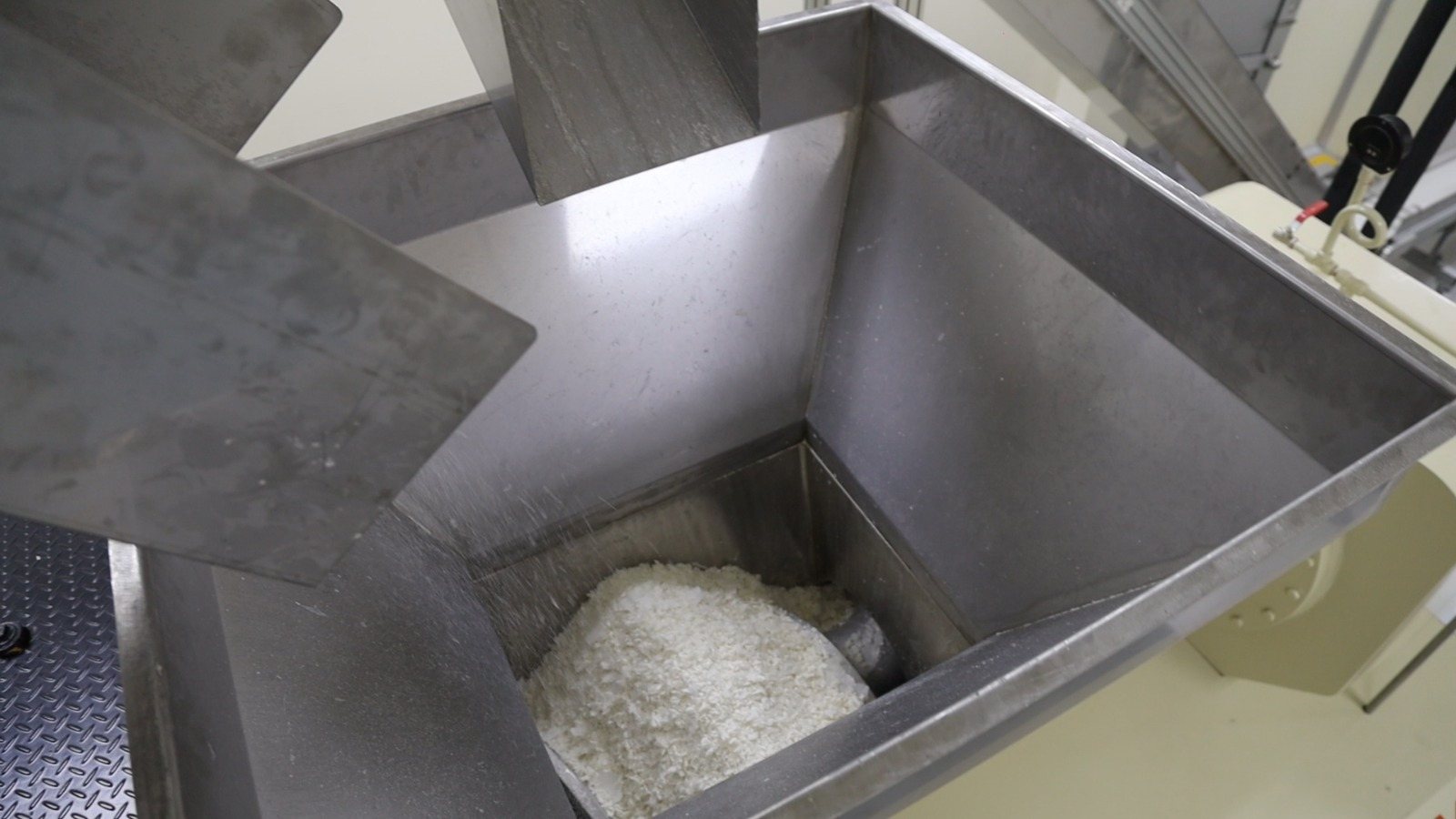
High-shear homogenizing vessels and cleanroom filling lines dedicated to hair and body care formulations.
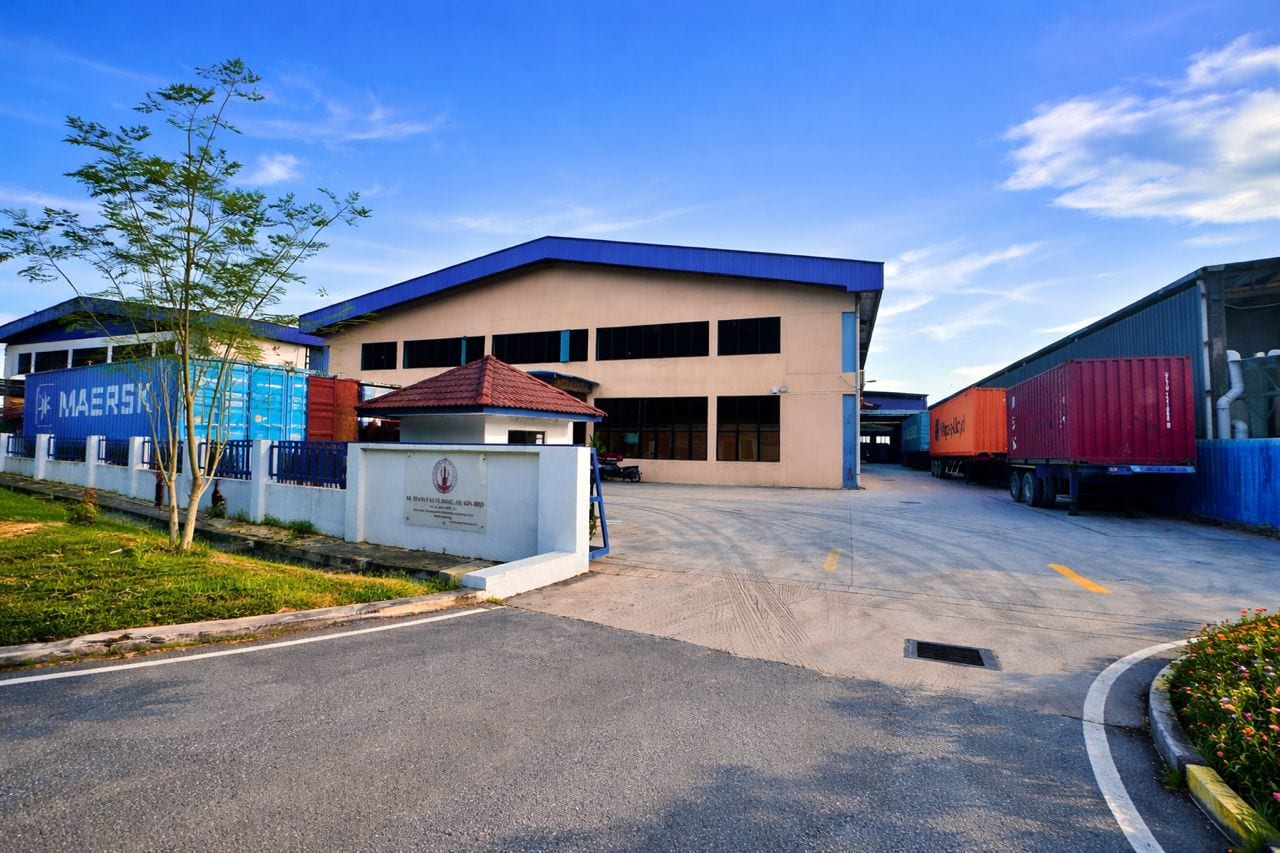
Facility 02: Logistics Hub
Palletized warehouse operations and direct container loading for export logistics to North America, Europe, and Middle East.
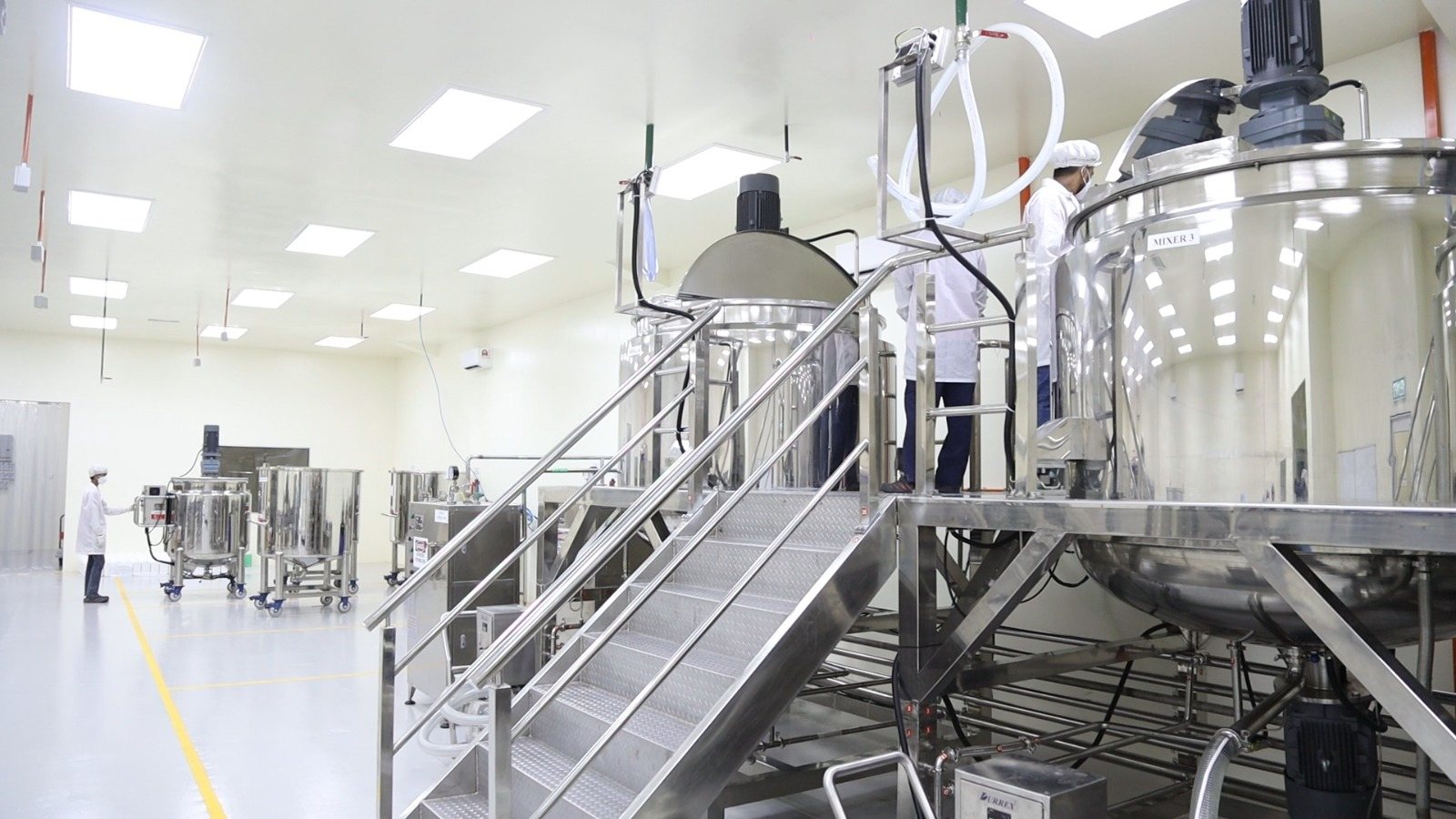
High Batch Scale
Multi-ton mixing capacities handling small pilot batches through to multi-container global rollout orders.
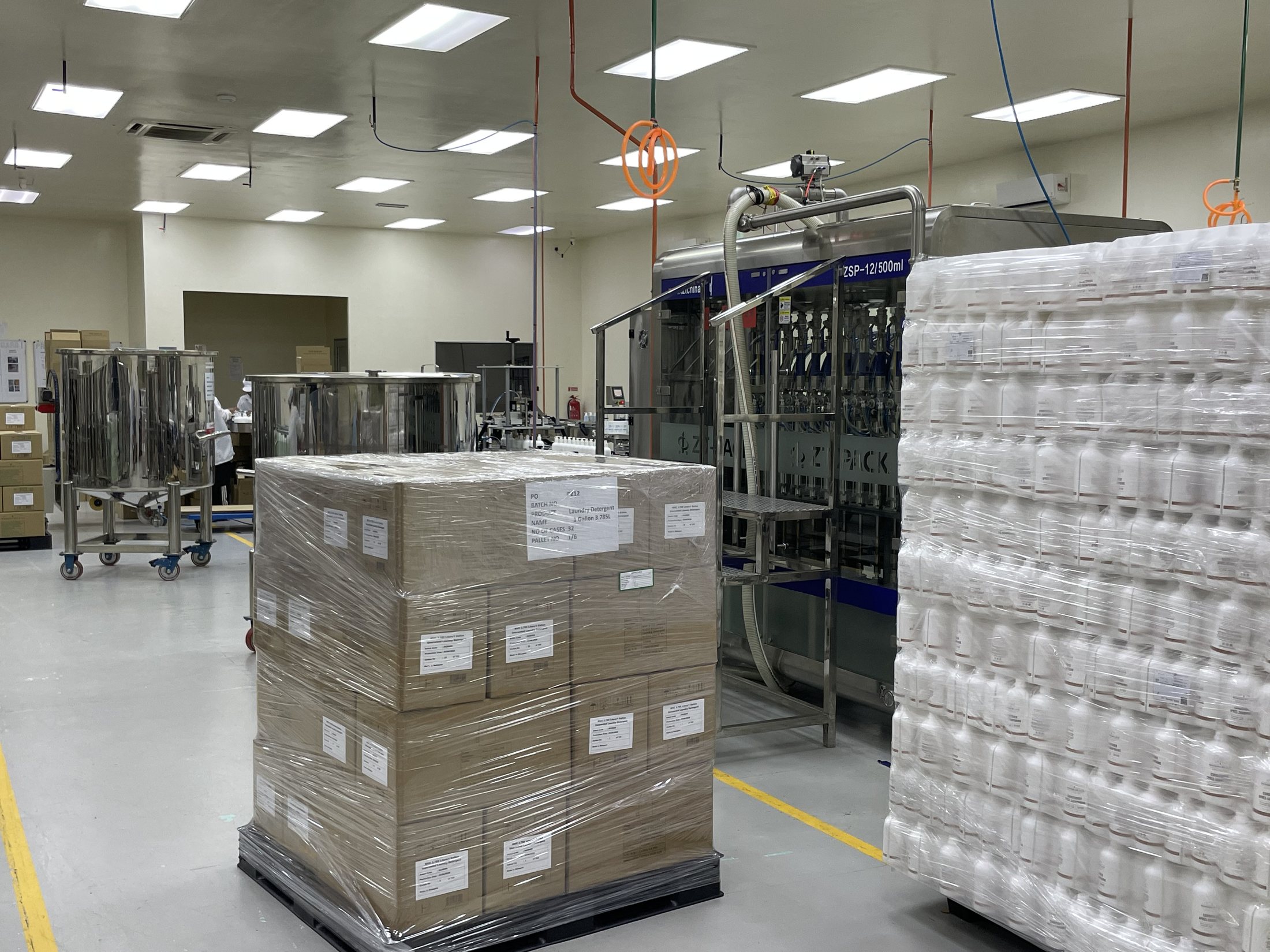
Export Packaging
Custom carton master packing, barcode compliance, and international shipping documentation handled end-to-end.
6. B2B Procurement FAQ: Hotel Wet Amenities Dispenser Systems
Below are detailed technical answers to questions frequently evaluated by hotel procurement directors, brand standard managers, and international distributors during RFP (Request for Proposal) processes:
Q1: Why are major hotel groups replacing single-use 30ml bottles with Hotel Wet Amenities Dispenser Systems?
Hotel groups are eliminating single-use 30ml plastic bottles due to strict international environmental regulations (such as EU Directive 2019/904 and US state plastic bans in California, New York, and Washington), rising sustainability demands from modern travelers, and significant operational cost reductions. Switching to 300ml–400ml wall-mounted dispenser systems reduces single-use plastic waste by up to 85% and lowers liquid waste and housekeeping labor costs by up to 40% per occupied room night.
Q2: What is the difference between open refillable dispensers and non-refillable closed cartridge systems?
Open refillable systems allow housekeeping staff to pour bulk liquid from 5L or 20L drums directly into open wall bottles. While lower in initial unit cost, open systems carry higher risks of bacterial contamination, oxidation, unhygienic spillages, and tampering. Non-refillable closed cartridge systems utilize factory-sealed 300ml–400ml recyclable cartridges that click into tamper-evident wall brackets. Closed systems guarantee 100% hygienic integrity, eliminate cross-contamination, comply with strict EU and US health regulations, and significantly reduce housekeeping refill time.
Q3: How does HE Manufacturing solve pump clogging and liquid dripping in hotel wet amenity dispensers?
Pump clogging and dripping occur when formula viscosity is improperly matched with pump mechanism tolerances or when formulations lack anti-crystallization agents. At HE Manufacturing, our in-house R&D team formulates personal care liquids (shampoos, body washes, conditioners, lotions) specifically for mechanical pump compatibility. We strictly calibrate viscosity ranges between 3,500 cPs and 6,000 cPs, conduct high-humidity stability tests, and integrate non-clogging anti-drip valve technology into all dispenser designs.
Q4: What is the average Cost-Per-Occupied-Room (CPOR) savings when switching to dispenser systems?
While exact savings depend on hotel occupancy and brand tier, properties typically report a 35% to 52% reduction in overall amenity liquid expenditure. In 30ml miniature setups, 60% of the liquid is routinely thrown away unconsumed. Large 300ml dispenser systems allow guests to use only what they need, minimizing discarded product. Furthermore, bulk shipping lowers freight and packaging costs dramatically.
Q5: Can HE Manufacturing produce custom formulas and bespoke fragrances for hotel brand standards?
Yes. Our in-house R&D laboratory specializes in custom formulation and scent matching. Whether you require an signature botanical essential oil blend (e.g., Bergamot, Cedarwood, Green Tea) or a hypoallergenic sensitive-skin formulation, our chemists develop bespoke liquids, perform stability testing, and secure regulatory clearances tailored to your brand identity.
Q6: What regulatory requirements must wet amenity liquids meet for export to the US and EU?
For the US market, manufacturing facilities must be registered under the Modernization of Cosmetics Regulation Act (MoCRA), with complete ingredient listings and safety substantiation. For the EU market, formulations must comply with EU Cosmetics Regulation (EC No 1223/2009), requiring a Cosmetic Product Safety Report (CPSR), Product Information File (PIF), and CPNP notification by a registered European Responsible Person. HE Manufacturing provides full regulatory documentation and compliance support for global market entry.
Q7: How do your broad-spectrum preservation systems protect bulk wet amenities in hot, humid hotel bathrooms?
Hotel bathrooms experience continuous temperature fluctuations and high relative humidity, creating ideal conditions for microbial growth (such as Pseudomonas aeruginosa and mold spores). HE Manufacturing utilizes broad-spectrum, eco-certified preservative systems (including organic acid blends and hurdle technology) tested under ISO 11930 Antimicrobial Protection efficacy standards to ensure formulations remain microbiologically stable for up to 36 months unopened and 12 months in-use.
Q8: What eco-friendly packaging materials are available for custom dispenser cartridges?
We offer a range of sustainable packaging materials, including 30% to 100% Post-Consumer Recycled (PCR) PET, PCR HDPE, ocean-bound plastic resins, and infinitely recyclable aluminium bottles. All materials undergo compatibility and stress-crack testing with our liquid formulas to guarantee structural integrity throughout use.
Q9: How do key-locked dispenser brackets prevent guest theft and vandalism?
Our engineered wall brackets feature heavy-duty 304 Stainless Steel or durable ABS constructions with proprietary mechanical key locks. The bottle is completely enclosed or locked at the neck, preventing guests from unscrewing caps, diluting products, or stealing the bottles, while allowing housekeeping staff to complete bottle swaps in under 10 seconds.
Q10: What is the typical Minimum Order Quantity (MOQ) for custom private-label hotel dispenser programs?
Our flexible manufacturing structure supports both growing boutique hotel collections and large international hotel chain programs. Standard MOQs for custom-branded bulk liquids start as low as 1,000 liters per SKU, while custom-printed dispenser cartridges typically start at 5,000 to 10,000 units depending on bottle geometry, printing method, and bracket customization.
Supplying Leading Global Hotel & Resort Groups






OEM, ODM and Private Label
Build Your Next Retail, Distributor, or Hospitality Range
We support shampoo and multi-category programs across formulation, packaging, quality control, market documentation, and scalable production for US, EU, and international buyers.