

HE Manufacturing · Knowledge Center
Blog & Industry Insights Formulation, Private Label & Contract Manufacturing Guides
How to Choose Hotel Wet Amenities Dispenser Systems in 2026
Table of Contents
- Define Hotel Wet Amenities Dispenser Systems and Their Main Types
- Assess Guest Needs, Bathroom Layout, and Property Brand Standards
- Compare Materials, Capacity, Refilling Methods, and User Accessibility
- Evaluate Hygiene, Security, Sustainability, and Regulatory Requirements
- Calculate Total Cost, Installation Needs, Maintenance, and Supplier Support
- FAQS
- Conclusion
- Related Posts
Choosing Hotel Wet Amenities Dispenser Systems in 2026 requires more than comparing prices and polished product photographs. Hotel operators must examine guest comfort, refill efficiency, hygiene controls, installation requirements, and long-term maintenance. A dispenser may look elegant beside a marble sink, yet perform poorly when its pump clogs or its label becomes unreadable.
This guide focuses on practical decisions that influence daily hotel operations. It considers wall-mounted and countertop designs, refillable cartridges, transparent reservoirs, locking mechanisms, and measured dosing. These details matter in bathrooms serving dozens of guests each day. Housekeeping teams need quick access, clean surfaces, and clear refill indicators. Guests expect shampoo, conditioner, and body wash to dispense smoothly, without pressing repeatedly.
Small details matter.
Reliable selection also requires evidence. Buyers should review material specifications, cleaning instructions, warranty terms, supplier support, and feedback from comparable properties. Experience from hotel maintenance teams can reveal problems that brochures often omit. For example, a dispenser may fit perfectly in a showroom but obstruct a narrow shower shelf. A cartridge system may reduce waste, but replacement packaging could increase storage demands.
No system is perfect.
The strongest choice balances appearance, usability, sanitation practices, environmental goals, and operating costs. However, sustainability claims deserve careful checking rather than automatic trust. In 2026, responsible buyers should question unverified durability promises and test products in realistic bathroom conditions. A short pilot installation can expose loose brackets, inconsistent dosing, or confusing instructions before guests notice them. This approach supports informed purchasing and builds a more dependable amenity experience.
Define Hotel Wet Amenities Dispenser Systems and Their Main Types
How to Choose Hotel Wet Amenities Dispenser Systems in 2026
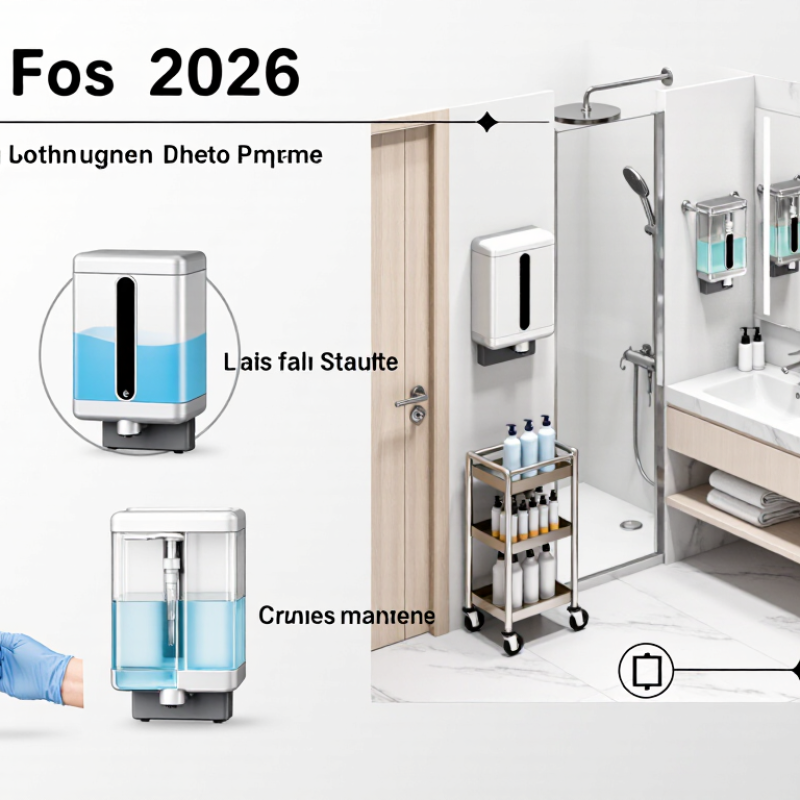
Hotel wet amenities dispenser systems are fixed or refillable units for shampoo, conditioner, body wash, and hand soap. They replace loose miniature bottles beside showers or sinks. A good system controls dosage, reduces packaging, and keeps products within easy reach.
The main types include single-chamber, multi-chamber, cartridge-based, and bulk-refill dispensers. Single-chamber units suit hand soap or one shower product. Multi-chamber models combine shampoo, conditioner, and body wash on one wall panel. Cartridge systems offer controlled replacement and cleaner handling. Bulk-refill systems reduce packaging, but staff must monitor contamination risks and refill records. Some newer units include level indicators or digital usage tracking.
Choosing a system requires more than counting wall holes. The U.S. EPA WaterSense specification limits efficient showerheads to 2.0 gallons per minute, compared with the federal 2.5-gallon standard. Dispensers do not save water alone, but accurate dosing can reduce product waste and drain loading.
A 2024 sustainable-travel survey of over 31,000 travelers found that 75% wanted more sustainable trips.
Guest expectations are moving.
Fit matters.
From operating experience, poorly placed pumps create housekeeping complaints. Guests may press the wrong chamber, especially in dim bathrooms. I would test the system with wet hands, thick lotion, and one-handed use before installation. This step is easy to skip. It should not be. Evaluate tamper resistance, refill visibility, accessible mounting height, cleaning time, and compatibility with concentrated formulas before choosing a 2026 model.
Assess Guest Needs, Bathroom Layout, and Property Brand Standards
How to Choose Hotel Wet Amenities Dispenser Systems in 2026
Choosing a hotel wet amenities dispenser system begins with guest needs, not product appearance. During bathroom assessments, examine shower habits, occupancy, and cleaning routines. Families may need larger shampoo and body wash capacities. Business travelers often value quick access and clear labels. Guests with limited mobility need dispensers placed within a comfortable reach. Test the pump with wet hands. Small details matter.
Bathroom layout also controls the right system. Measure wall space, tile joints, shower clearance, and refill access before installation. A dispenser should not block taps, shelves, or grab bars. Keep bottles away from direct spray when possible. Moisture can weaken labels and create cleaning problems. Refill staff need a safe, simple route. I have seen attractive installations fail because service teams could not reach the cartridges easily.
Tips: Match finishes, colors, and shapes with the property’s brand standards. Use consistent labels across guest rooms, suites, and accessible bathrooms. Check that the system feels durable, but avoid an overly industrial appearance. Request a sample installation before approving hundreds of rooms. Observe it after housekeeping cleans the bathroom. The first choice may still need revision. Document refill times, guest feedback, and maintenance issues during a trial period. This evidence supports a more reliable purchasing decision.
Compare Materials, Capacity, Refilling Methods, and User Accessibility
How to Choose Hotel Wet Amenities Dispenser Systems in 2026
Material choice affects hygiene, durability, and daily maintenance. Stainless steel resists impact and repeated cleaning, while high-grade ABS can reduce weight and cost. Avoid brittle plastic around busy shower areas. The system should feel secure when guests press the pump. The U.S. Environmental Protection Agency’s WaterSense specification limits showerheads to 2.0 gallons per minute, compared with the federal 2.5-gallon limit. This makes controlled dispensing more valuable in water-conscious properties. Still, lower consumption is not automatically better. Guests may press harder or use more product when pumps deliver too little shampoo.
Capacity should match occupancy, turnover, and refill access. A 300-milliliter chamber may suit a small property, but high-occupancy hotels need larger reservoirs. Transparent windows help housekeeping spot low levels before a guest complains. Closed cartridges reduce handling, although refillable tanks can create less packaging waste. The 2024 Global Hotel Decarbonization Report from the Sustainable Hospitality Alliance identifies resource efficiency as a practical operational priority. Its recommendations support measuring consumption, not guessing it. That matters because dispenser records can reveal unusual usage, leaks, or cleaning errors.
Tips: Test one guestroom first. Use wet hands. Check pump force, label contrast, grip, and mounting height. The 2010 ADA Standards require accessible operable parts within reach ranges, but local rules may differ. A simple trial can expose problems that specifications miss. I would also review refill logs monthly; convenience often hides waste.
How to Choose Hotel Wet Amenities Dispenser Systems in 2026
Comparison of common dispenser configurations using a 0–10 suitability index for hotel bathrooms. The index considers material durability, usable capacity, refill efficiency, and accessibility.
Wall-mounted bulk systems generally provide the highest capacity and lowest packaging waste. Cartridge systems simplify housekeeping work, while countertop pumps offer flexible placement but usually require more frequent refilling. Lever and push-button designs are typically easier to use for guests with limited hand strength than small twist caps.
Evaluate Hygiene, Security, Sustainability, and Regulatory Requirements
In 2026, a wet-amenities dispenser should be judged as a hygiene fixture, not a wall accessory. Housekeeping teams need removable cartridges, sealed pumps, and smooth surfaces without hidden ledges. The Centers for Disease Control and Prevention links effective cleaning to suitable products, contact time, and staff training (CDC, 2024). That guidance matters when shampoo residue gathers beneath a loose nozzle. Test the unit after 500 dispensing cycles. Then inspect leaks, backflow, and refill errors. Real bathrooms are less forgiving.
Sustainability needs measurable controls, not green wording. The U.S. Environmental Protection Agency’s WaterSense program estimates that efficient showerheads can save 2,700 gallons of water yearly in an average household (EPA, 2024). A dispenser cannot claim that saving alone; it controls product waste instead. Choose dose-adjustable pumps, concentrated refills, recyclable packaging, and repairable parts. Record grams used per guest-night and replacement rates. Check local accessibility, chemical-labeling, fire-safety, and waste requirements before approval. Antimicrobial claims may require additional review under regional biocidal regulations. For security, use concealed fixings, keyed access, and documented tamper testing. Keep audit logs. Some assumptions will fail. A pilot installation may reveal them.
Calculate Total Cost, Installation Needs, Maintenance, and Supplier Support
How to Choose Hotel Wet Amenities Dispenser Systems in 2026
Calculate total cost beyond the purchase price. Include dispensers, wall fittings, drilling, labor, refills, cleaning, repairs, and disposal. The U.S. Environmental Protection Agency recommends evaluating products through life-cycle cost, not initial price alone. A practical hotel audit should compare refill volume, room count, service frequency, and expected replacement rates. Record installation time in a trial bathroom. Small delays become expensive across hundreds of rooms.
Supplier support matters when dispensers jam before a busy check-in period. Ask for spare pumps, clear cleaning instructions, response-time commitments, and staff training. Booking.com’s 2024 Sustainable Travel Report found that 75% of travelers wanted more sustainable travel choices. However, sustainability claims must be measurable. Track plastic packaging avoided, refill consumption, and guest complaints. The calculation is not perfect. Usage varies between rooms, seasons, and housekeeping teams.
Tips: Test one floor first. Use existing wall conditions where possible. Confirm adhesive strength, waterproofing, and accessibility before installation. Choose a system with visible fill levels and simple dosing controls. Request a written five-year cost model from each supplier. Compare it with your own records. A cheaper unit may need more frequent maintenance. Supplier support can quietly decide the real cost.
FAQS
Review shower habits, occupancy, cleaning routines, and guest mobility.
Measure wall space, tile joints, shower clearance, and refill access.
Stainless steel handles impacts and repeated cleaning well.
Match capacity with occupancy, room turnover, and refill access.
Sealed cartridges can reduce handling and refill errors.
Place controls within comfortable reach for guests with limited mobility.
Choose sealed pumps, removable cartridges, and smooth surfaces.
Use dose-adjustable pumps and concentrated refills where suitable.
Consider concealed fixings, controlled access, and documented tamper testing.
Install the system in one guestroom first.
Conclusion
Choosing the right Hotel Wet Amenities Dispenser Systems requires a balanced review of guest expectations, bathroom design, and property standards. Begin by understanding the main system types, such as wall-mounted, countertop, refillable, and individual-dosage options. Consider how each solution fits the available space, supports convenient access, and complements the hotel’s service style. Material durability, dispenser capacity, refill procedures, and accessibility should also be evaluated to ensure reliable daily use for a wide range of guests.
A successful selection must also address hygiene, secure product handling, sustainability goals, and applicable regulatory requirements. Compare sealed or controlled refill methods, easy-clean surfaces, tamper-resistant features, and materials that reduce waste. Finally, calculate the complete cost, including equipment, installation, refilling, maintenance, staff time, and supplier support. A system with reasonable long-term operating costs, dependable servicing, and flexible capacity can improve bathroom efficiency while creating a consistent and comfortable guest experience.
Blog Tags: