

HE Manufacturing  ·  Knowledge Center

Blog & Industry Insights Formulation, Private Label & Contract Manufacturing Guides

0%

Choosing China’s top Hotel Dry Amenities Packaging manufacturers requires more than comparing prices or catalog photographs. Hotels need packaging that protects soaps, shampoos, dental kits, combs, and sewing sets during transport and daily guest use. A reliable supplier should combine material knowledge, clean production areas, stable printing, accurate filling, and responsive quality control. Small details matter. A torn sachet beside a bathroom sink can damage a guest’s impression quickly.

Packaging specialist Robert Lilienfeld offers a useful principle: “Packaging must deliver value before it can be judged by its material.” This idea fits Hotel Dry Amenities Packaging well. The best manufacturers balance protection, appearance, convenience, and waste reduction. They may offer kraft paper boxes, recyclable pouches, molded fiber trays, or compact cardboard sleeves. Yet material claims need careful checking. “Eco-friendly” can sound impressive, but it may hide weak seals, excessive coatings, or difficult recycling conditions.

This guide examines Chinese manufacturers through practical criteria: production experience, customization capability, certification records, minimum order quantities, lead times, and export support. It also considers whether suppliers can maintain consistent dimensions across large hotel programs. A sample may look perfect. Mass production can differ. That risk deserves attention. Buyers should request factory evidence, test samples, packaging specifications, and recent quality reports before making a final decision. No manufacturer is perfect, and even strong suppliers may need improvement in transparency or material traceability. The following overview aims to identify capable partners while encouraging more careful, evidence-based purchasing decisions.
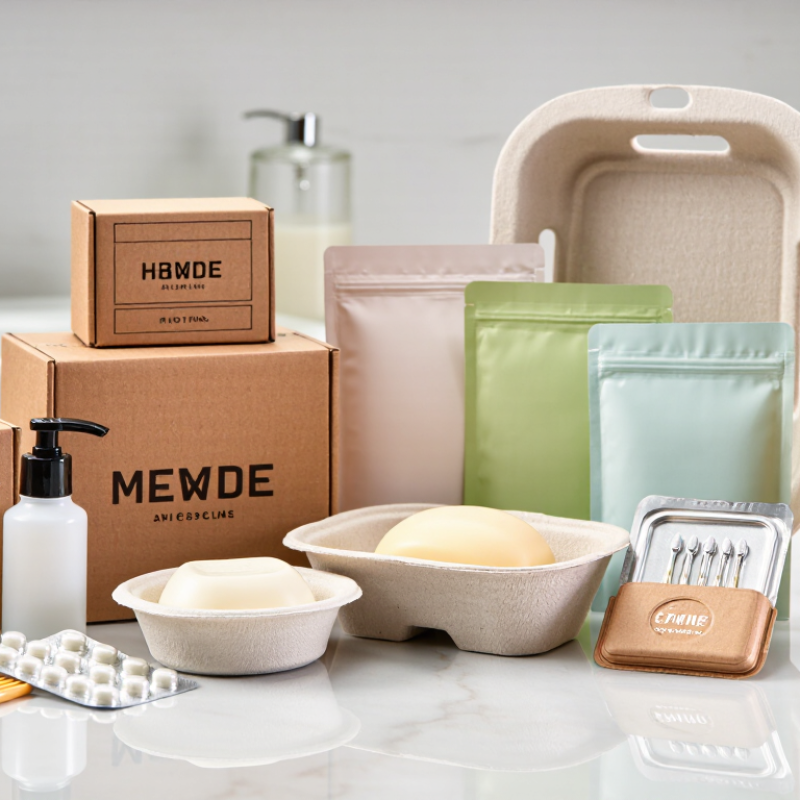
China Top Hotel Dry Amenities Packaging Manufacturers?

Types of Dry Amenities Used in China’s Hotel Industry

China’s hotel industry uses many dry amenities to improve room comfort and reduce liquid leakage. Common items include toothbrushes, combs, razors, shower caps, sewing kits, cotton swabs, and shoe-shine cloths. These products are usually packed in paper sleeves, small cartons, or sealed biodegradable pouches.

Toothbrush packaging needs enough space for the handle and bristles without crushing them. Combs and razors often use slim paper envelopes, which fit neatly inside bathroom drawers. Cotton kits require stronger sealing because loose pieces can create hygiene concerns. Simple printing helps guests identify each item quickly. Small details matter.

Many hotels also select dry amenity packaging based on storage conditions, transport distance, and room turnover speed. Moisture-resistant paper can protect products during humid seasons in coastal cities. Recyclable materials may support a hotel’s sustainability goals, but their real performance should be tested before purchase. A package that tears easily creates waste and slows housekeeping work.

Manufacturers serving hotels should provide stable dimensions, clear material information, and consistent batch quality. They should also understand local hotel operating habits, including bulk delivery, compact storage, and fast replenishment. In practice, no packaging option is perfect. Some eco-friendly materials feel less smooth, while stronger packs may use more material. Procurement teams need to compare guest comfort, hygiene, cost, and disposal conditions through actual room trials.

Key Materials for Hotel Dry Amenities Packaging

Key Materials for Hotel Dry Amenities Packaging

Hotel dry amenities packaging must protect small products from dust, moisture, handling, and presentation damage. Kraft paper is widely used for toothbrushes, combs, sewing kits, and shower caps. Its natural texture supports a clean hotel image. However, thin paper can tear near sharp edges. A stronger paper grade or light fiber reinforcement may be necessary.

Recycled paper offers a lower-impact option when its fibers meet suitable strength standards. Molded pulp works well for trays and compact inserts. It cushions items without adding plastic film. Bamboo fiber can improve rigidity, but suppliers should verify its processing quality and disposal conditions. Plant-based films may resist moisture, yet they are not automatically compostable in every location. That detail matters.

Keep the seal reliable. Test packaging in warm, humid hotel rooms before production. Check compression, tearing, ink adhesion, and opening force. Water-based inks can reduce odor concerns, while certified paper adhesives help maintain material transparency. Small details count. A pouch that looks elegant but opens poorly will frustrate guests and housekeeping staff.

Material selection also depends on local recycling systems. Mixed layers can complicate recovery, even when each layer seems responsible alone. I have found that simpler structures are easier to inspect and explain. No material is perfect. Suppliers should record test results, batch information, and realistic disposal guidance instead of relying on attractive environmental claims.

How China’s Hotel Packaging Manufacturers Operate

China Top Hotel Dry Amenities Packaging Manufacturers?

China’s hotel packaging manufacturers usually operate through an integrated supply chain. They source bamboo, paperboard, recycled plastics, and plant-based fibers from regional suppliers. In-house teams then handle artwork, molding, printing, assembly, and packing. This structure shortens lead times, but it can complicate quality control.

A typical order begins with a specification sheet. It defines dimensions, material thickness, logo placement, carton strength, and packing quantity. Manufacturers often provide samples before mass production. Independent inspections may check color accuracy, sealing, odor, moisture resistance, and count accuracy. Batch codes also help hotels trace production problems.

The China National Tourism Administration reported 5.62 billion domestic tourist trips in 2024, showing why stable, high-volume supply matters. Still, large volume does not guarantee careful workmanship.

Sustainability is becoming an operating requirement, not a decorative claim.

The Global Sustainable Tourism Council encourages hotels to reduce single-use materials and improve procurement transparency. Manufacturers respond with smaller cartons, molded-pulp trays, and recycled-content options. However, recycled claims need verification. A package may look responsible while hiding mixed materials or weak recycling access. That remains a practical weakness.

Buyers should request material declarations, test records, factory audit evidence, and clear tolerances. Price matters, but inconsistent dimensions can disrupt housekeeping carts and guest-room placement. Experienced suppliers understand this detail because they measure performance after delivery, not only during production.

Quality Standards for Hotel Amenity Packaging

Hotel amenity packaging must protect dry products from humidity, dust, crushing, and accidental contamination. This matters in China’s coastal manufacturing regions, where storage air can feel wet even inside warehouses. According to the OECD’s Global Plastics Outlook, packaging created about 40% of global plastic waste in 2019. Material reduction is therefore a quality issue, not only an environmental preference.

Reliable manufacturers should control paperboard strength, film thickness, seal integrity, and moisture resistance. For powdered toothpaste, soap sheets, or dental kits, packaging should survive compression, vibration, and short warehouse delays. ISO 18601 supports environmental packaging design, while ISO 9001 helps structure inspection and corrective actions. Cosmetic-related items should also follow suitable hygiene controls under ISO 22716 principles. Small details matter. A weak corner can expose dozens of units.

Professional buyers should request batch records, supplier declarations, test methods, and retained samples. ASTM or equivalent drop and compression tests can make comparisons more objective. Recycled content also needs verification, because unclear claims reduce trust. The Ellen MacArthur Foundation has reported that only about 9% of plastic waste has been recycled historically, showing why recyclability claims require evidence. Factory audits should examine incoming materials, clean packing areas, printing accuracy, and lot traceability. Perfection is unrealistic. One overlooked humidity test can still reveal a serious weakness after shipment. Suppliers should review failures openly, rather than hide them behind attractive samples.

How to Select a Reliable Chinese Packaging Manufacturer

Choosing a reliable Chinese packaging manufacturer requires more than comparing prices. Hotel dry amenities need clean presentation, stable quality, and careful handling. Start by checking the factory’s experience with soap boxes, dental kit cartons, paper sleeves, and refill pouches. Ask for recent production samples, not only polished showroom pieces. Inspect folding accuracy, print alignment, sealing strength, and surface finish. Small defects become obvious on a hotel tray.

Verify the manufacturer’s quality system and material traceability. Request specifications for paper, film, ink, adhesives, and protective coatings. Confirm that materials suit the intended product and destination requirements. Independent testing can help, especially for packaging that touches personal-care items. A factory should explain inspection points, sampling methods, and how rejected units are controlled. Vague answers deserve caution.

Visit the facility when possible, or arrange a live video inspection. Observe storage conditions, production cleanliness, and line organization. Ask how they manage color consistency across repeated orders. Communication matters too. Clear drawings, approved samples, and written tolerances reduce costly misunderstandings. I would also place a small trial order before committing to large volumes. It may feel slow. That pause can reveal weak packing, late responses, or unstable workmanship. I once underestimated carton protection during shipping; several corners arrived crushed. The lesson was simple: production quality is not enough. Export packing needs its own inspection. Keep records of approvals, revisions, delivery dates, and corrective actions. Reliable cooperation is built from evidence, not confident promises.

FAQS

Which materials are suitable for hotel dry amenity packaging?

Kraft paper suits toothbrushes, combs, sewing kits, and shower caps. Recycled paper can reduce material impact when its strength is verified. Molded pulp protects small items without plastic film. Bamboo fiber may improve rigidity. Plant-based films can resist moisture, but they are not always compostable.

How can packaging protect dry amenities from humidity?

Use suitable paper grades, films, coatings, and reliable seals. Test samples in warm, humid rooms before production. Check moisture resistance, tearing, compression, and opening force. Coastal warehouses may feel damp, even indoors. A weak seal can ruin otherwise attractive packaging.

What tests should hotel packaging pass before production?

Test compression, vibration, dropping, tearing, seal strength, and ink adhesion. Check whether corners remain closed after handling. Inspect retained samples from each batch. Small failures matter. One missed humidity test can expose a serious weakness after shipment.

How should buyers evaluate environmental packaging claims?

Request verified recycled content and clear disposal guidance. Check whether local recycling systems accept the structure. Mixed layers may be difficult to recover. Do not assume plant-based materials are automatically compostable. Simple packaging is easier to inspect and explain.

What should buyers request from a packaging manufacturer?

Request recent production samples, material specifications, test methods, and batch records. Ask how rejected units are controlled. Review paper, film, ink, adhesive, and coating details. Vague answers deserve caution. Attractive samples alone prove very little.

Is a factory visit necessary when selecting a supplier?

A visit helps reveal storage conditions, cleanliness, line organization, and inspection habits. A live video inspection can also provide useful evidence. Watch folding accuracy and print alignment. Remote checks are imperfect. They may miss problems hidden outside the camera view.

Why is export packing important for hotel amenity packaging?

Production quality does not guarantee safe delivery. Use protective cartons and inspect corner strength before shipment. Check crushed edges, shifting units, and moisture exposure. I once underestimated carton protection. Several corners arrived damaged. That mistake still deserves review.

How can buyers maintain consistent quality across repeat orders?

Approve drawings, samples, tolerances, colors, and packaging methods in writing. Keep records of revisions, delivery dates, and corrective actions. Compare new batches with retained samples. Communication can fail. Clear evidence reduces expensive misunderstandings.

Conclusion

China’s hotel industry uses a wide range of dry amenities, including toothbrush kits, combs, shaving sets, sewing kits, slippers, soap boxes, and other guest-room essentials. Hotel Dry Amenities Packaging is commonly made from paperboard, kraft paper, corrugated materials, biodegradable plastics, or recyclable polymers, depending on the product, protection needs, appearance, and sustainability goals. Effective packaging should be practical, hygienic, easy to store, and suitable for transportation.

Chinese packaging manufacturers typically provide design development, material selection, sampling, printing, production, quality inspection, and shipment coordination. Reliable suppliers follow consistent standards for dimensions, sealing, printing quality, material safety, cleanliness, and batch control. When selecting a manufacturer, hotel operators and distributors should review production capabilities, customization options, quality-management procedures, communication efficiency, lead times, minimum order requirements, and sustainability practices. A dependable partner can deliver stable quality, clear documentation, flexible solutions, and packaging that supports both guest convenience and a professional hotel image.

Ethan

Ethan

Ethan is a highly experienced marketing professional dedicated to helping businesses understand and benefit from innovative digital solutions. With a strong command of the company’s products, services, and industry applications, he combines strategic insight with practical knowledge to create......