
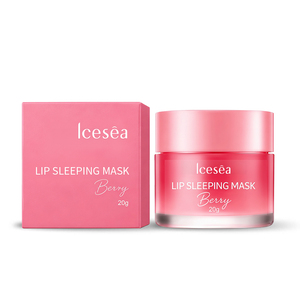
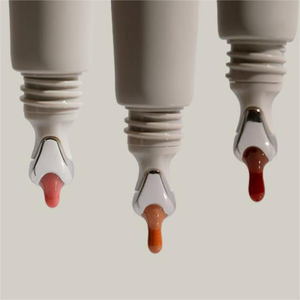
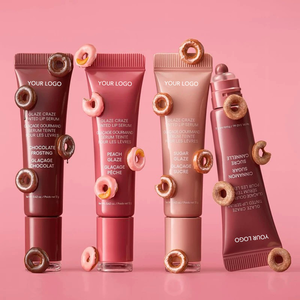
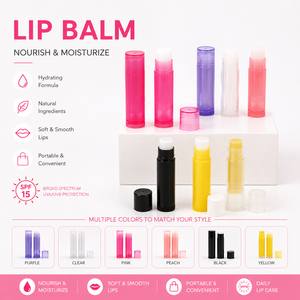
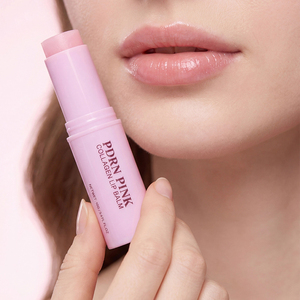
Featured OEM / ODM Sun Care & Lip SPF Products
Standard and custom formulations developed in ISO 22716 GMP facilities, verified for SPF efficacy, broad-spectrum UVA/UVB stability, and seamless white label branding.
World-Class Contract Manufacturing Standards
Integrating European R&D rigor with high-speed Asian automated manufacturing, delivering end-to-end OEM/ODM custom formulation across global markets.
ISO 22716 & GMP Audited
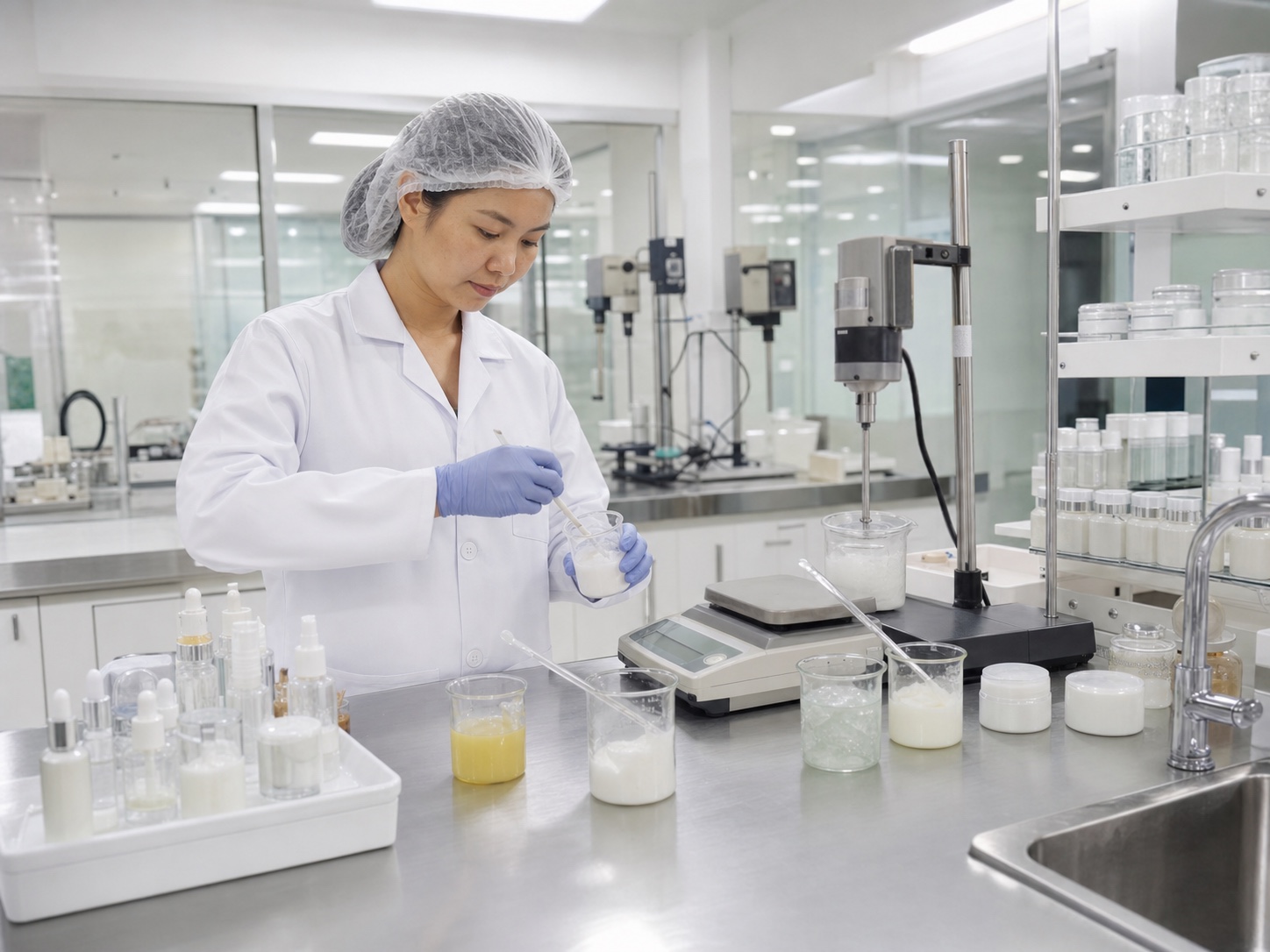
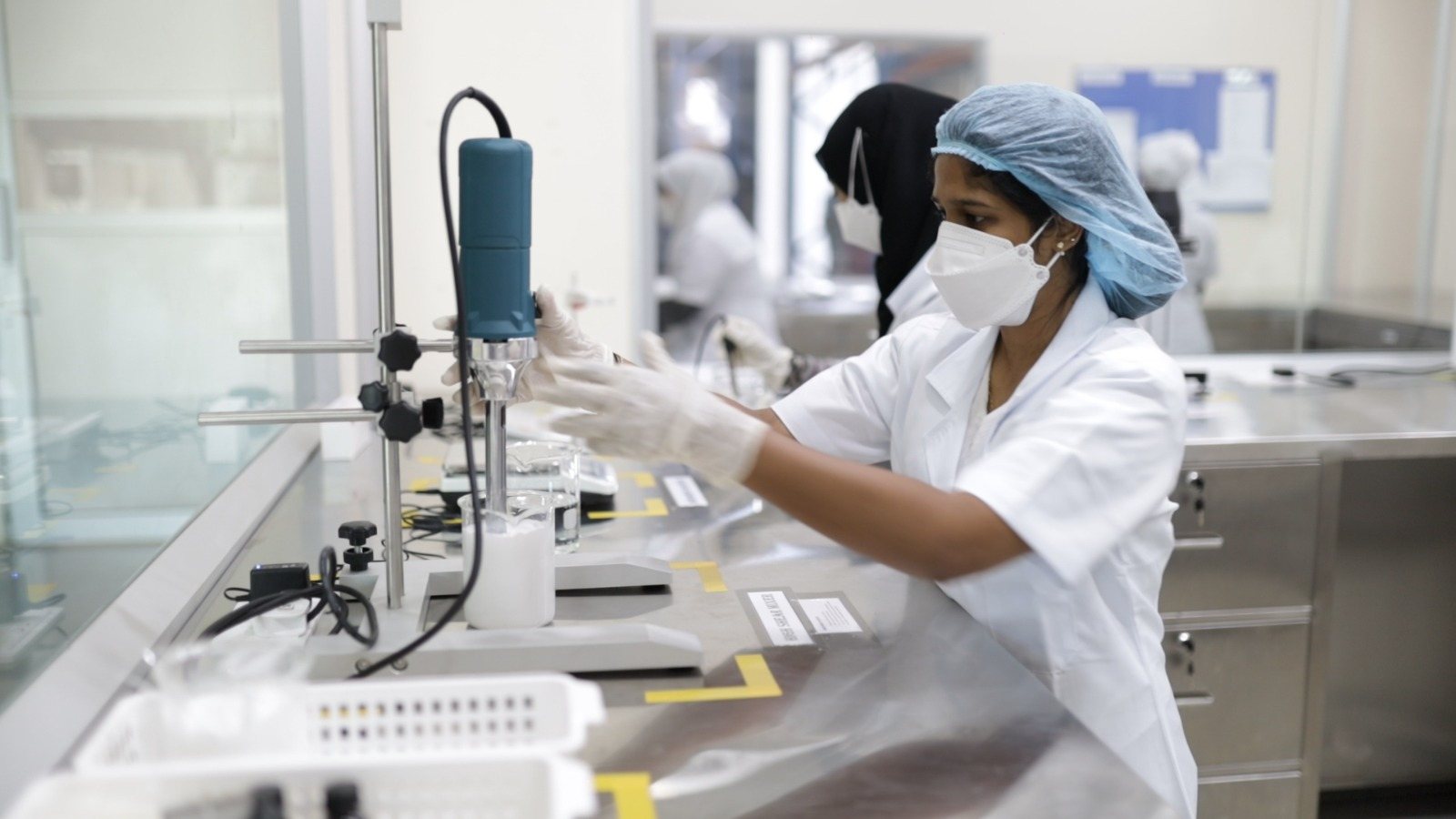
Class 100,000 cleanroom environments operating under strict ISO 9001 and ISO 22716 cosmetics GMP protocols. Automated stainless steel vacuum emulsification systems guarantee batch consistency and zero microbiological contamination.
US MoCRA & EU CPNP Ready
Full regulatory documentation mapping for US FDA MoCRA facility registration, OTC Monograph compliance, and European Union Responsible Person (RP) dossier preparation including Product Information Files (PIF) and safety assessments.
Advanced R&D Testing Lab
In-house analytical laboratories equipped for 5-condition accelerated stability testing, challenge testing (USP <51>), photostability analysis, viscosity profiling, and package compatibility testing prior to scaling commercial production.


Engineering Next-Generation Photoprotection: Chemistry, Filter Dynamics, and Emulsion Stability
The global sunscreen market has transitioned from basic anti-erythema protection to multi-functional photoprotective skincare. Modern consumers and regulatory authorities demand ultra-broad-spectrum efficacy (UVA1, UVA2, UVB, HEV Blue Light, and Infra-Red A) coupled with superior cosmetic elegance, zero white cast, and strict reef-safe environmental profiles. For global beauty brands, sourcing custom formulations from leading Chinese OEM/ODM factories requires a deep technical understanding of chemical UV filter stabilization, inorganic particle dispersion technology, and rigorous regulatory verification protocols.
1. Inorganic vs. Organic UV Filter Dispersion Engineering
Achieving stable high-SPF values (SPF 30, SPF 50+, SPF 100) without compromised sensory attributes is a major engineering hurdle in sun care manufacturing. Formulation laboratories utilize advanced physical and chemical stabilization matrix strategies:
- Microfine Inorganic Dispersions (Zinc Oxide & Titanium Dioxide): Traditional uncoated mineral oxides suffer from agglomeration, resulting in chalky white cast and uneven UV film protection. Modern OEM processes utilize surface-treated non-nano Zinc Oxide (treated with Triethoxycaprylylsilane or Polyhydroxystearic Acid) pre-dispersed in ester oils. This ensures uniform particle packing on the stratum corneum, maximizing Rayleigh scattering attenuation for UVA while maintaining visual transparency.
- Organic Filter Photostabilization: Formulations incorporating Avobenzone (Butyl Methoxydibenzoylmethane) require robust photostabilizers to prevent rapid photodegradation under UV exposure. Advanced ODM laboratories co-formulate Avobenzone with Octocrylene, Bemotrizinol (Tinosorb S), or Bisoctrizole (Tinosorb M), or introduce singlet-state quenchers such as Polyester-8 or Ethylhexyl Methoxycrylene to preserve >85% UV attenuation efficacy over 2 hours of direct sun radiation.
- Encapsulated UV Filters: Polymer micro-encapsulation seals organic chemical filters within micro-spheres of silica or hydrophobic polymers. This prevents direct epidermal absorption—drastically lowering skin sensitization and irritation risks—while providing a light, non-greasy, watery skin feel desired in modern Asian and European markets.
Comparative Technical Analysis of Common Photoprotective Filter Systems
| Filter Type & INCI | Target Wavelength (λ) | Photostability Profile | Sensory & Aesthetic Finish | Regulatory Status (US / EU / Asia) |
|---|---|---|---|---|
| Non-Nano Zinc Oxide (CI 77947) | UVA1, UVA2, UVB (290–400nm) | Highly Stable (Does not degrade) | Sheer, natural satin finish with hydrophobically treated surface | GRASE Status (US FDA), Approved EU (up to 25%), Global |
| Bemotrizinol (Tinosorb S) | UVA & UVB Broad Spectrum (290–380nm) | Extremely High (Photostabilizes others) | Lightweight, non-sticky oil phase integration | Approved EU (10%), Asia, LatAm; US FDA TEA pending |
| Bisoctrizole (Tinosorb M) | UVA & UVB Broad Spectrum (290–400nm) | Extremely High (Hybrid Organic/Inorganic) | Fresh aqueous phase suspension, slight tone-up effect | Approved EU (10%), Asia, Global except US Monograph |
| Avobenzone + Stabilizers | UVA1 (320–400nm) | Moderate (Requires Quenchers) | Silky, fast-absorbing fluid texture | Approved US FDA (3%), EU (5%), Global standard |
| Titanium Dioxide (Surface Treated) | UVB, UVA2 (290–350nm) | Highly Stable | Tone-up/brightening effect; high water resistance potential | Approved US FDA (up to 25%), EU (25%), Global |
2. Rheology, Film-Forming Polymers, and Water Resistance Mechanics
A sunscreen's measured SPF value depends heavily on the continuity and flexibility of the polymeric film formed upon application. High-end custom formulation factories implement specialized film-former technology:
Hydrophobic Film-Forming Networks: By combining Acrylates/C10-30 Alkyl Acrylate Crosspolymers with VP/Eicosene Copolymer or Trimethylsiloxysilicate, the resulting emulsion forms an elastic, water-repellent grid over skin furrows. This architecture resists sweat emulsification and friction rub-off, achieving 40-minute to 80-minute Water Resistance compliance under ISO 16217 standards.
Pickering Emulsion Technology: Eliminating traditional surfactant emulsifiers through solid particle stabilization (utilizing functionalized silica or starch) produces ultra-mild, hypoallergenic sunscreens ideal for sensitive skin, post-procedure recovery, and infant sun care categories.
Future Procurement & Formulation Trends in Sun Care (2025–2030)
Navigating environmental directives, consumer demand shifts, and next-generation packaging formats for global brand expansion.
Eco-Reef Safe & Clean Beauty Compliance
Global environmental regulations are restricting traditional chemical filters. Procurement strategies must eliminate Oxybenzone (Benzophenone-3) and Octinoxate (Ethylhexyl Methoxycinnamate) to meet Hawaii SB 2571, US Virgin Islands, and Palau environmental mandates.
Leading factories focus on non-nano mineral solutions and biodegradable booster ingredients such as Meadowfoam Seed Oil derivatives to sustain high SPF efficacy naturally.
HEV Blue Light & Anti-Pollution Defense
Solar radiation extends beyond UV rays. Modern B2B formulation briefs incorporate active defense matrices against High-Energy Visible (HEV) blue light (400–500nm) and PM2.5 atmospheric particulate matter.
Integration of bioactive actives like Ectoin, Niacinamide (Vitamin B3), Licochalcone A, and Ferulic Acid neutralizes reactive oxygen species (ROS) and prevents digital screen hyperpigmentation.
Solid Waterless & Hybrid Formats
Driven by eco-conscious travel requirements, anhydrous sun care formats are surging. Factories are innovating high-performance waterless sun sticks, powder-to-liquid formulas, and tinted SPF serums.
Utilizing Post-Consumer Recycled (PCR) plastics, monomaterial recyclable stick packaging, and aluminum tubes streamlines sustainable carbon-neutral export supply chains.
5-Stage Precision Manufacturing & Testing Protocol
From raw material active assay to final container filling, every batch undergoes mandatory analytical and physical quality assurance.
Raw Material Assay & Particle Sizing
Assaying purity, heavy metals, micro-biology, and particle size distribution (D50/D90) of incoming active UV filters via High-Performance Liquid Chromatography (HPLC) and laser diffraction.
High-Shear Vacuum Emulsification
Batch processing in sealed 316L stainless steel homogenizers under vacuum (-0.09 MPa) to eliminate air micro-bubbles, ensuring droplet dispersion uniformity below 2 microns for film consistency.
In-Vitro SPF & Broad Spectrum Verification
Pre-filling validation of spectrophotometric transmittance using Labsphere UV-2000S analyzers to measure Critical Wavelength (>370nm) and In-Vitro SPF metrics prior to batch sign-off.
Accelerated Thermal & Freeze-Thaw Stability
Subjecting bulk emulsions to 5-condition stress testing (-10°C, 25°C, 40°C, 50°C, and 85% RH) alongside 3-cycle freeze-thaw evaluation to guarantee 36-month shelf life stability.
Automated Cleanroom Filling & Weight Audit
Volumetric filling inside Class 100,000 cleanrooms with automated check-weighers, nitrogen flushing for sensitive active preservation, and laser batch coding for complete traceabilty.
Custom Sunscreen Sourcing FAQ
Addressing key technical, regulatory, and supply chain questions for cosmetic brand managers and international importers.